



Every FIFA World Cup belongs to two generations. There are the young dreamers, stepping onto football’s grandest stage for the very first time, their careers stretching endlessly before them. And then there are the veterans.
And who are they?
They have spent years carrying the hopes of nations. The leaders who have lived through triumph and heartbreak, celebrated victories and endured painful defeats. These footballers understand better than anyone that opportunities to play at a World Cup do not come forever.
As the 2026 FIFA World Cup unfolds across the United States, Canada and Mexico, several of Africa’s most celebrated stars arrive with a different perspective.
For them, this may be their final FIFA chapter. The final anthem. The final walk through the tunnel. The final chance to leave an unforgettable mark on football’s biggest stage.

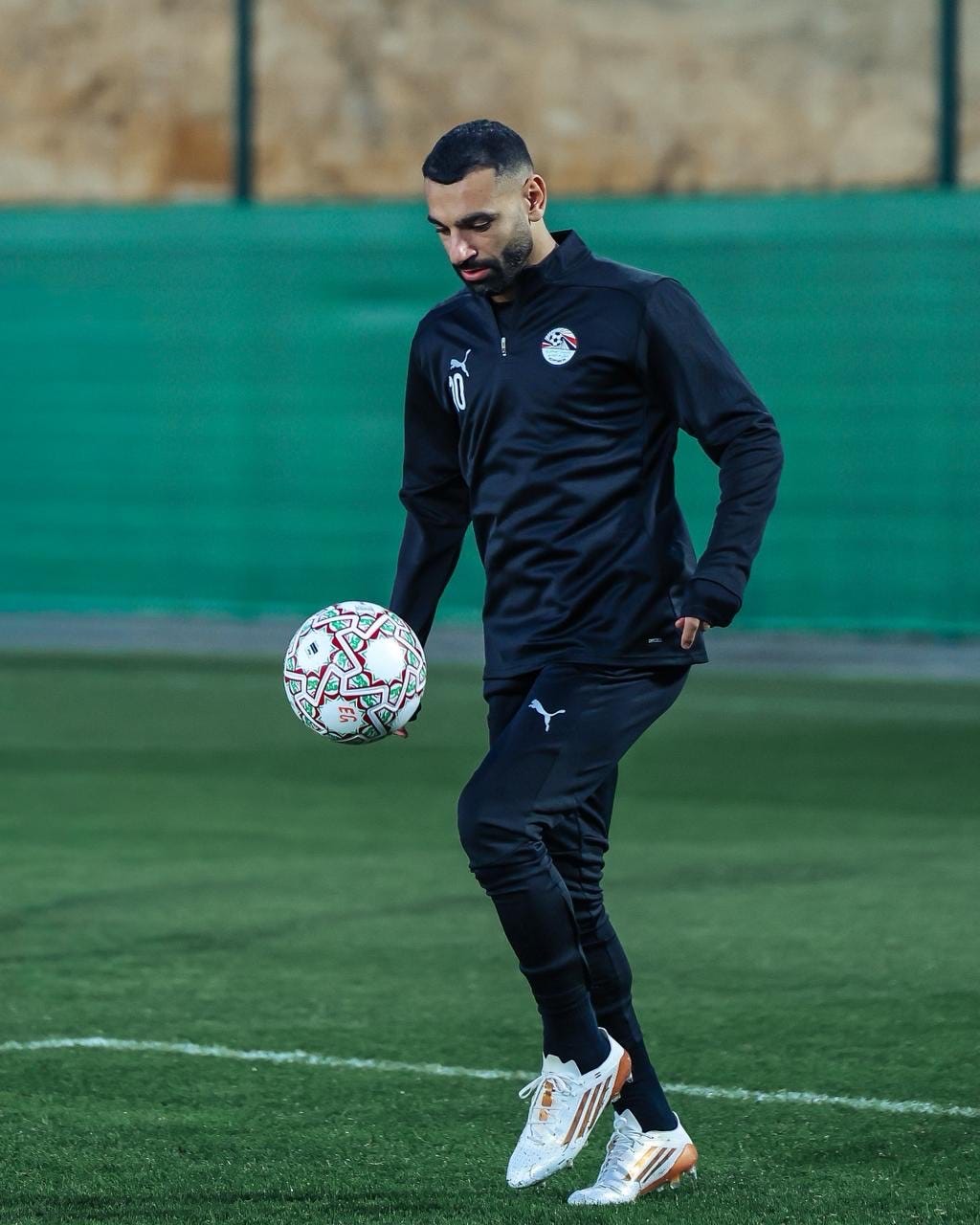
Mohamed Salah
The Egyptian captain has conquered Europe, broken records and established himself among the greatest footballers the continent has ever produced.
Yet despite his remarkable achievements, the FIFA World Cup remains where his personal story has been unremarkable.
When Egypt returned to the tournament in 2018 after a 28-year absence, hopes were immense. Injuries and disappointing results, however, prevented the Pharaohs from making the impact many expected.
Now Salah returns with another opportunity.
At a stage in his career when every major tournament carries added significance, the World Cup offers one final chance to deliver the defining global moment that Egyptian supporters have long dreamed of witnessing.
Mohamed El Shenawy
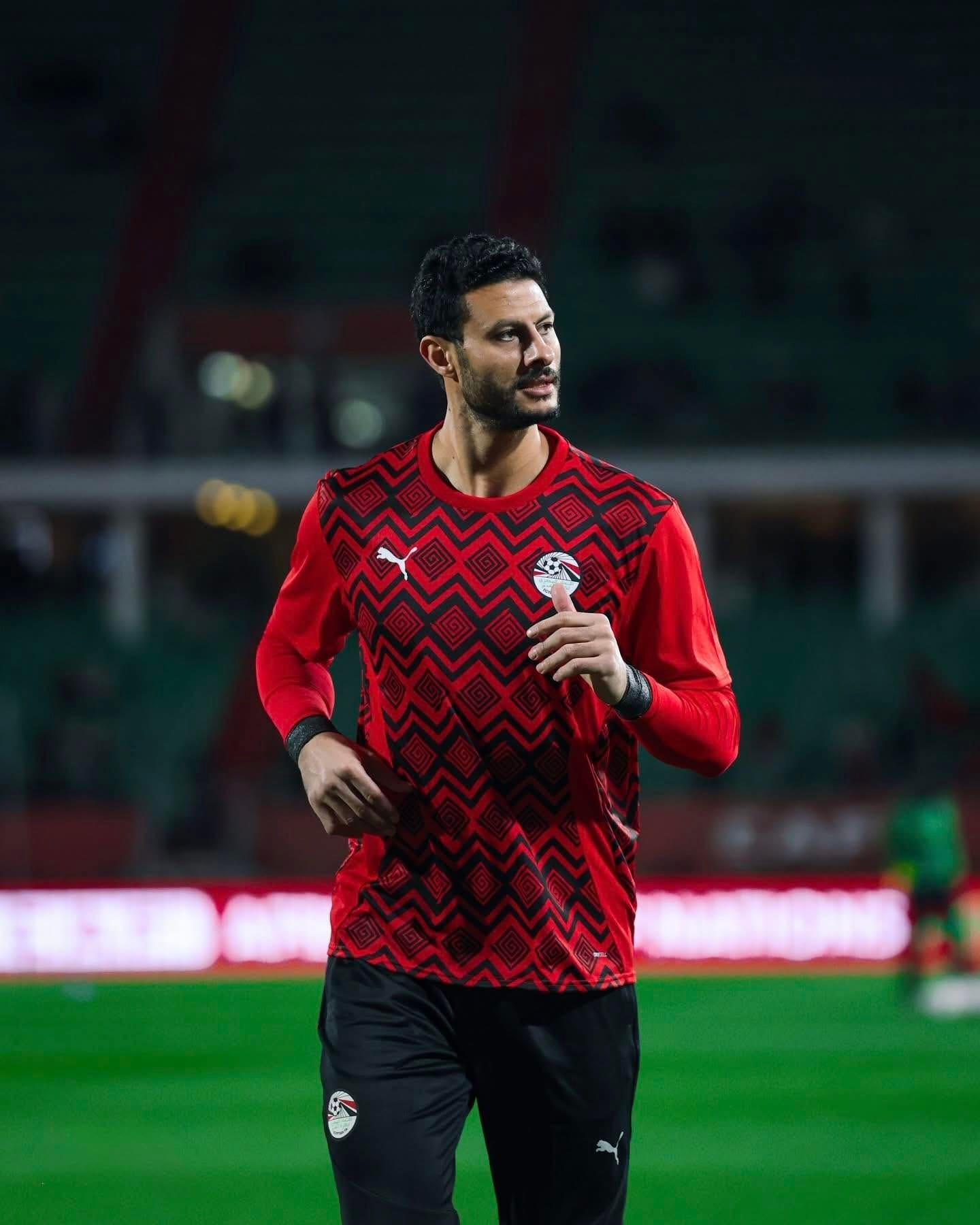
While Salah commands attention in attack, Egypt’s last line of defence is built around experience. At 37 years old, Mohamed El Shenawy is among the oldest African players at the 2026 FIFA World Cup.
For years, the veteran goalkeeper has provided calmness, authority and leadership for the Pharaohs. Through qualification campaigns, continental competitions and international tournaments, he has remained one of Egypt’s most trusted figures.
Goalkeepers often enjoy longer careers than outfield players, but World Cups remain precious opportunities regardless of age.
For El Shenawy, North America may represent the culmination of a distinguished international journey and perhaps one final opportunity to help Egypt achieve a breakthrough on football’s biggest stage.
Senegal’s Golden Generation
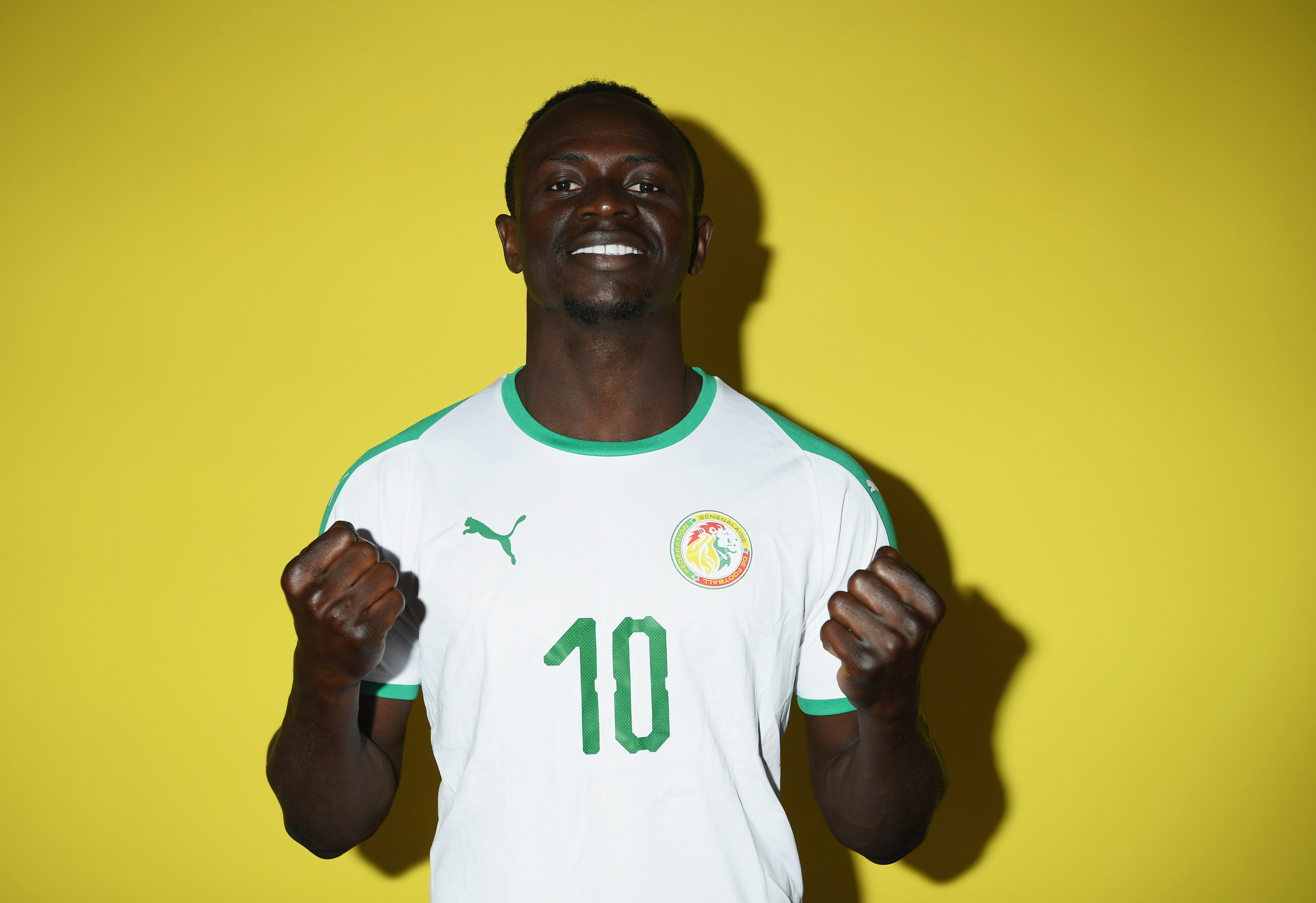
For more than a decade, the Lions of Teranga have been led by a generation that transformed the country’s footballing fortunes and elevated Senegal into one of Africa’s most respected teams. At the centre of that story stands Sadio Mané.
The forward has become a national icon, helping Senegal secure their first African Cup of Nations and guiding the team through multiple major tournaments.
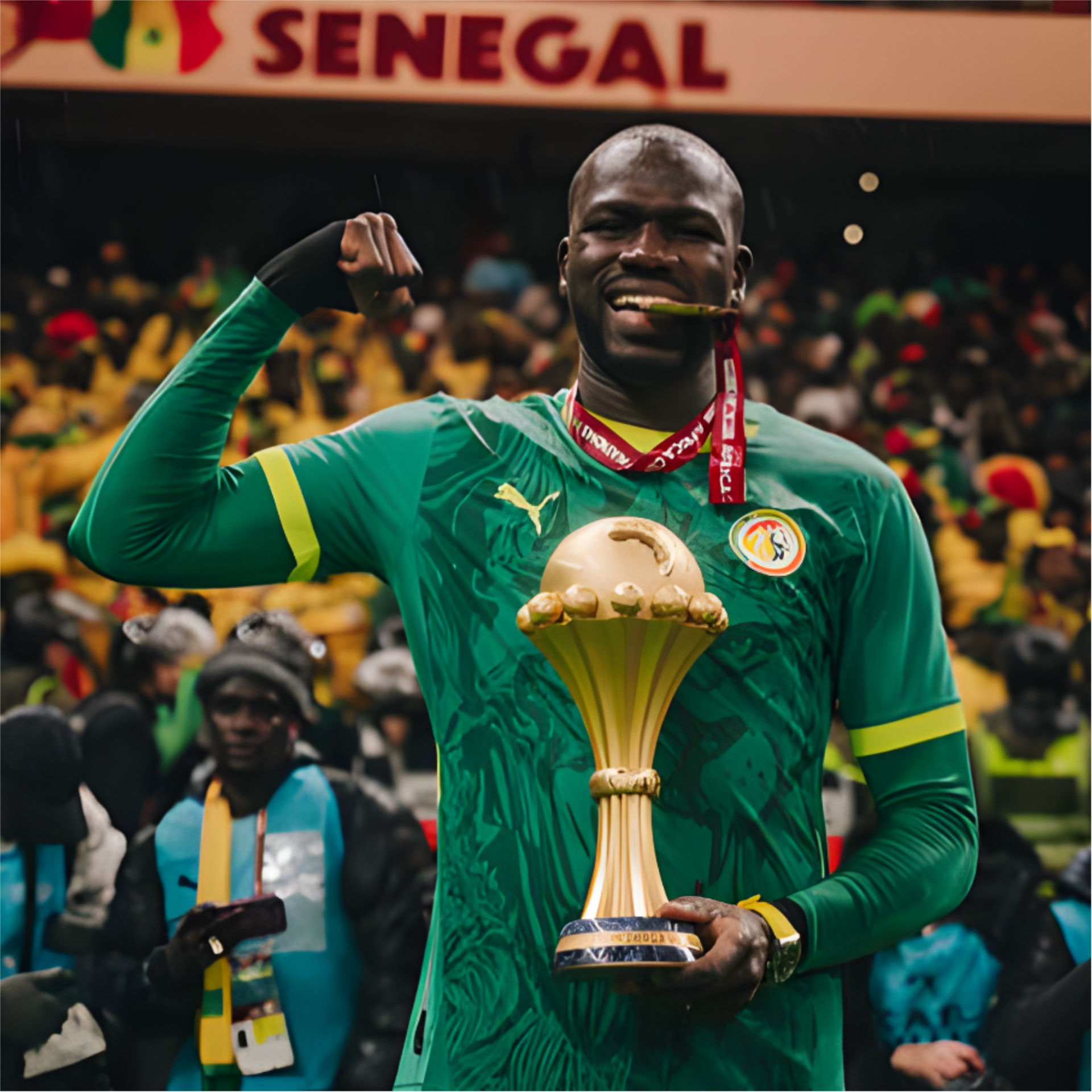
Alongside Mané is captain Kalidou Koulibaly, the commanding defender whose leadership and consistency have provided the foundation for Senegal’s success. Then there is Idrissa Gana Gueye.
At 36, the midfielder is one of the oldest and most respected players among Africa’s World Cup representatives. His energy, professionalism and experience continue to make him a vital presence both on and off the pitch.
Together, these players represent a golden generation that changed Senegalese football forever. The question now is whether they can add one final chapter to that legacy.
Ghana’s Veterans
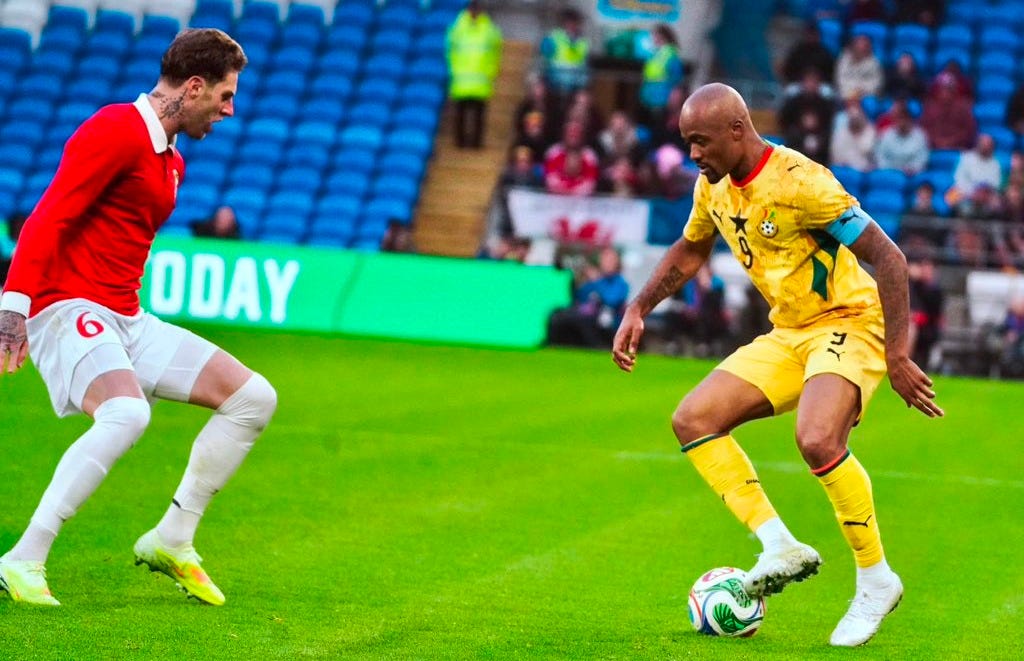
As the Black Stars return to the global stage, much responsibility rests on the shoulders of two experienced leaders who have carried the national team through some of its most significant moments.
Thomas Partey is the heartbeat of Ghana’s midfield. His tactical intelligence, composure and leadership have made him one of the country’s most influential players of the modern era. Alongside him stands captain Jordan Ayew.
For more than a decade, Ayew has represented Ghana at the highest level, becoming one of the most recognisable faces of the Black Stars.
As captain, he now carries the responsibility of leading a new generation while drawing on years of international experience.
For both players, the 2026 FIFA World Cup is another opportunity to help Ghana recapture the spirit that once took the nation to the quarter-finals and within touching distance of history. If this is their final World Cup journey, they will want it to be remembered.
Ivory Coast’s Experienced Voices
The triple African champions may possess one of the youngest squads among Africa’s representatives, but experience is essential to their ambitions.
Midfielder Jean Michaël Seri provides leadership and stability, while Nicolas Pépé brings valuable experience gained across years of European football.
As a new generation emerges, players like Seri and Pépé remain important figures within a squad seeking to balance youthful energy with veteran wisdom.
For Ivory Coast, their presence provides continuity between past success and future ambition.
DRC’s Reliable Warriors
The Democratic Republic of Congo returns to the World Cup carrying renewed belief and growing expectations.
Among the players leading that challenge are Chancel Mbemba and Arthur Masuaku, two veterans whose commitment to the national team has remained unwavering over the years.
Mbemba’s leadership at the heart of defence and Masuaku’s experience provide stability for a side eager to establish itself among Africa’s leading football nations.
For both men, the World Cup is more than another tournament.
It is an opportunity to inspire the next generation and strengthen their place in Congolese football history.

