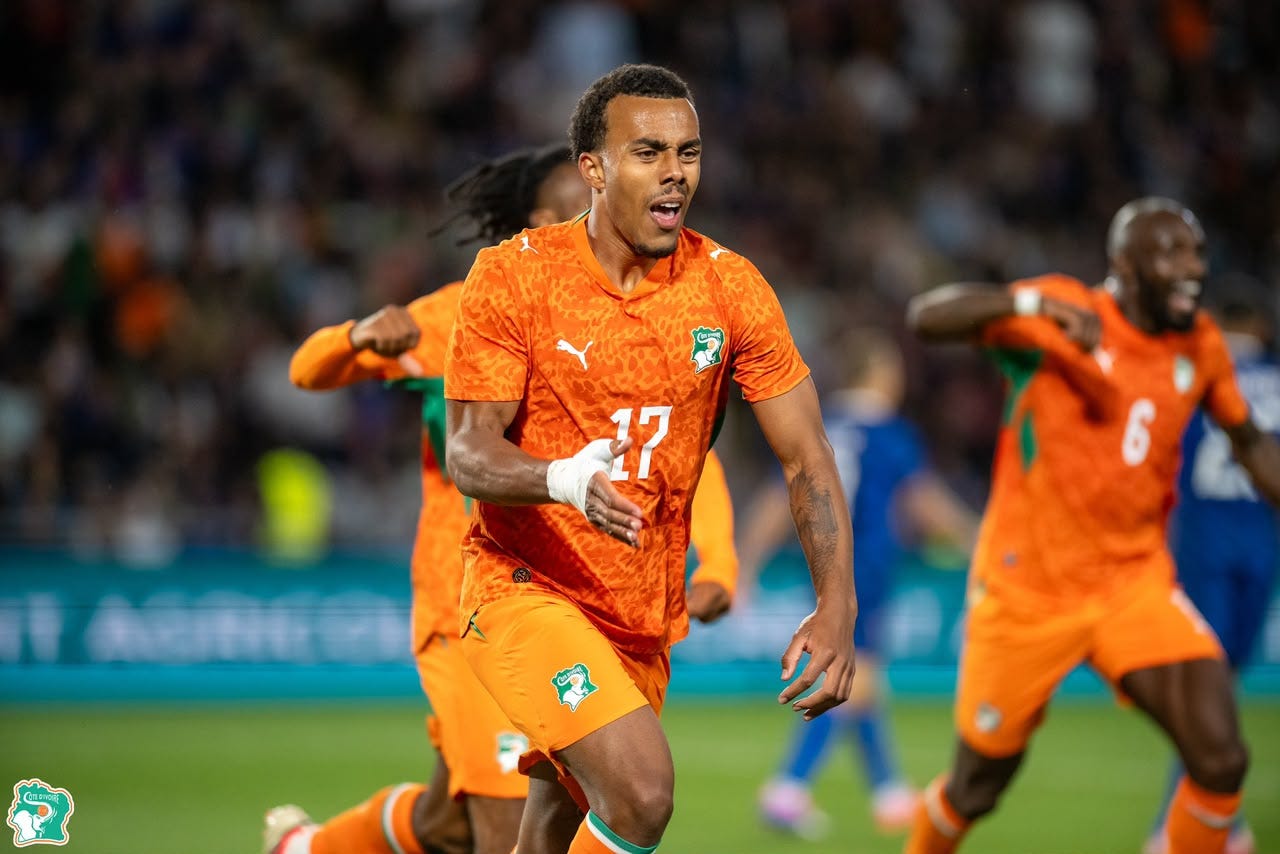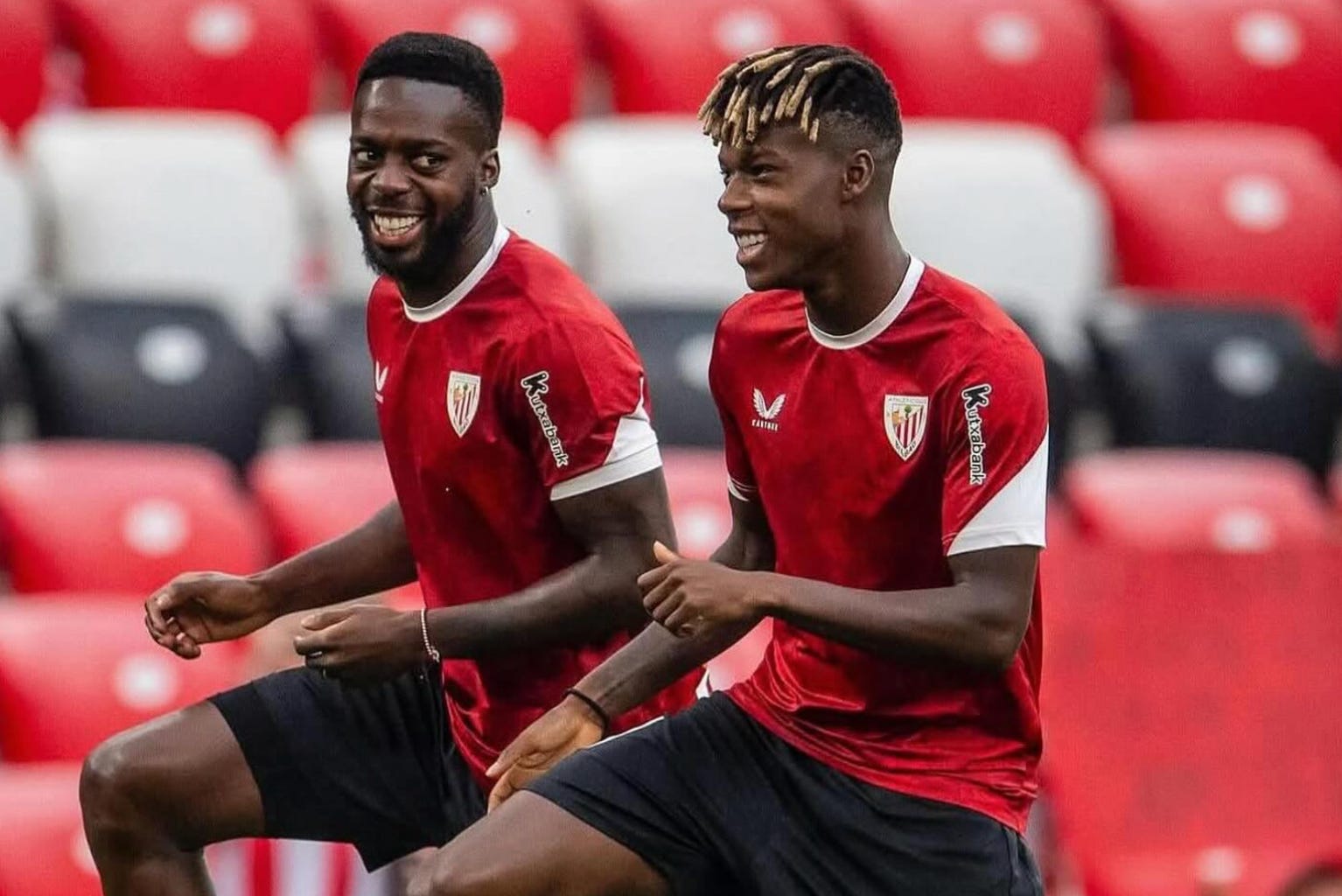

The 2026 FIFA World Cup will showcase the world’s biggest stars, fierce rivalries and unforgettable moments. And among the tournament’s most compelling storylines are two families whose journeys reflect the changing face of modern football.
As nations prepare to compete across the United States, Canada and Mexico, global attention is likely to focus on the Williams and Doué brothers—siblings who share the same upbringing but will represent different countries on football’s grandest stage.
In an era defined by migration, dual nationality and multicultural identities, their stories have become powerful symbols of how international football continues to evolve.

The Williams Brothers
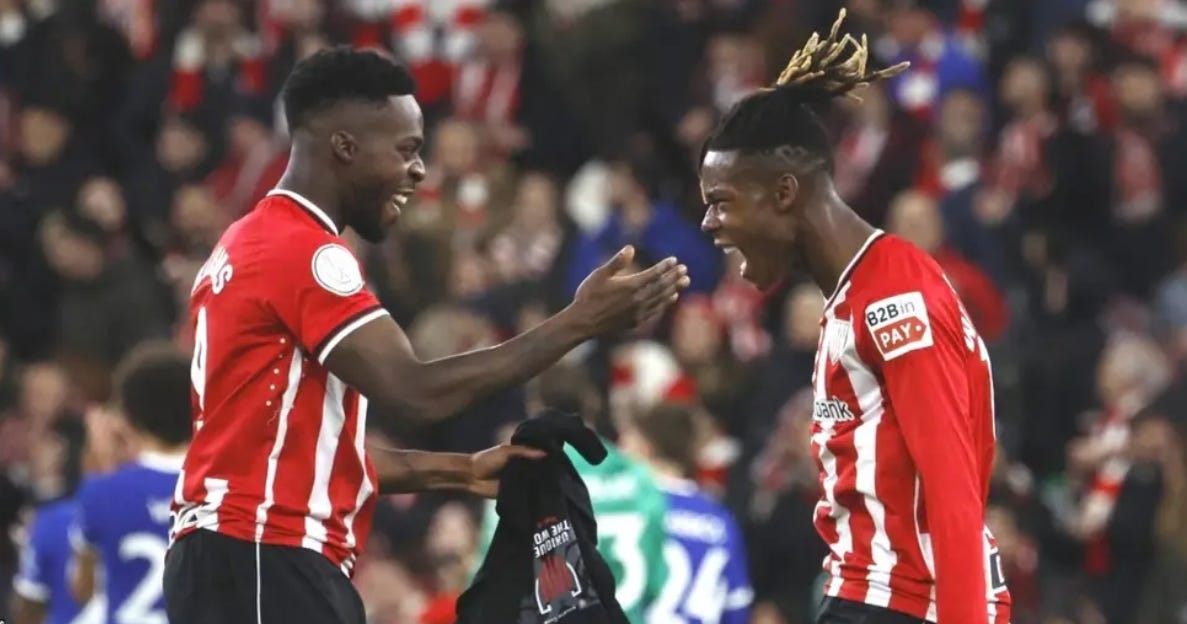
The Williams brothers. Born in Spain to Ghanaian parents, Iñaki and Nico rose through the ranks at Athletic Bilbao before becoming international stars.
When the time came to choose their national teams, however, they followed different paths.
Iñaki embraced his parents’ homeland and committed to Ghana, while Nico chose Spain, the country where he was born and developed as a player.
Their decisions made headlines ahead of the 2022 FIFA World Cup in Qatar, where they became one of the tournament’s most remarkable family stories.
That tournament produced mixed fortunes. Spain advanced to the Round of 16 before suffering elimination to Morocco, while Ghana exited at the group stage despite showing moments of promise.
Now, four years later, the brothers are poised to share the World Cup stage once again. So, the 2026 FIFA World Cup will mark the second consecutive tournament in which the Williams brothers represent different nations—Iñaki returning with Ghana and Nico once again lining up for Spain.
The Doué Brothers
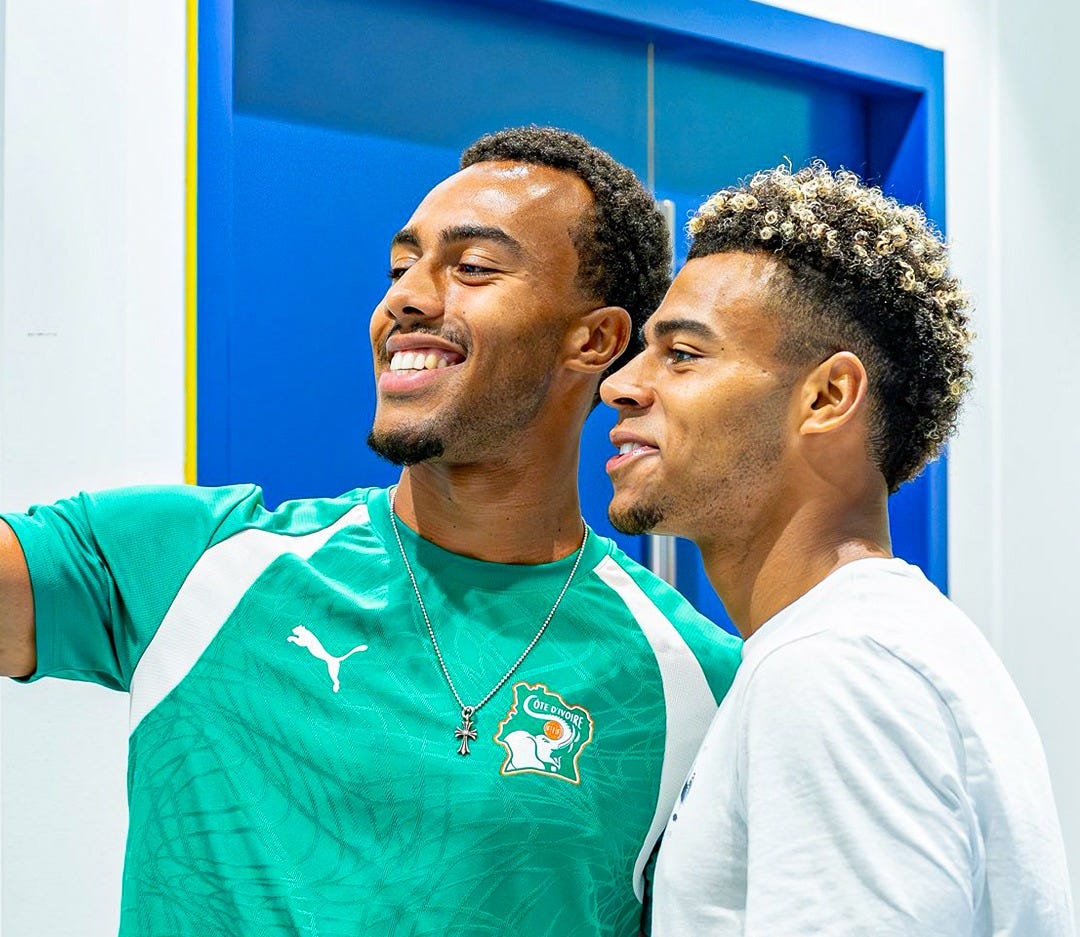
While the Williams brothers return for their World Cup adventure, the Doué family is preparing for its first.
Guéla Doué has established himself as an important player for Ivory Coast, while younger brother Désiré Doué emerged as one of French football’s brightest young talents.
Born to an Ivorian father and a French mother, the brothers grew up together in Rennes before their careers took them in different directions. Their international journeys followed a similar pattern.
Guéla chose to represent Ivory Coast, while Désiré committed to France, where he has quickly become one of the country’s most exciting young prospects.
The emergence of the Ivorian siblings ensures that the conversation about family, identity and international football will continue into a new generation.
More Than Football
The Williams and Doué families represent more than sporting curiosity. Their stories reflect the reality of a globalised world, where families often have roots in multiple countries and players can feel strong connections to more than one nation.
For supporters, those choices can spark debate. For the players themselves, however, they often represent deeply personal decisions shaped by heritage, opportunity and belonging. At the World Cup, those choices become visible for millions to see.
The jerseys may be different, the national anthems may change and the flags may fly on opposite sides of the stadium, but the family bond remains—siblings united by blood, separated by flags and connected by the same sport.