


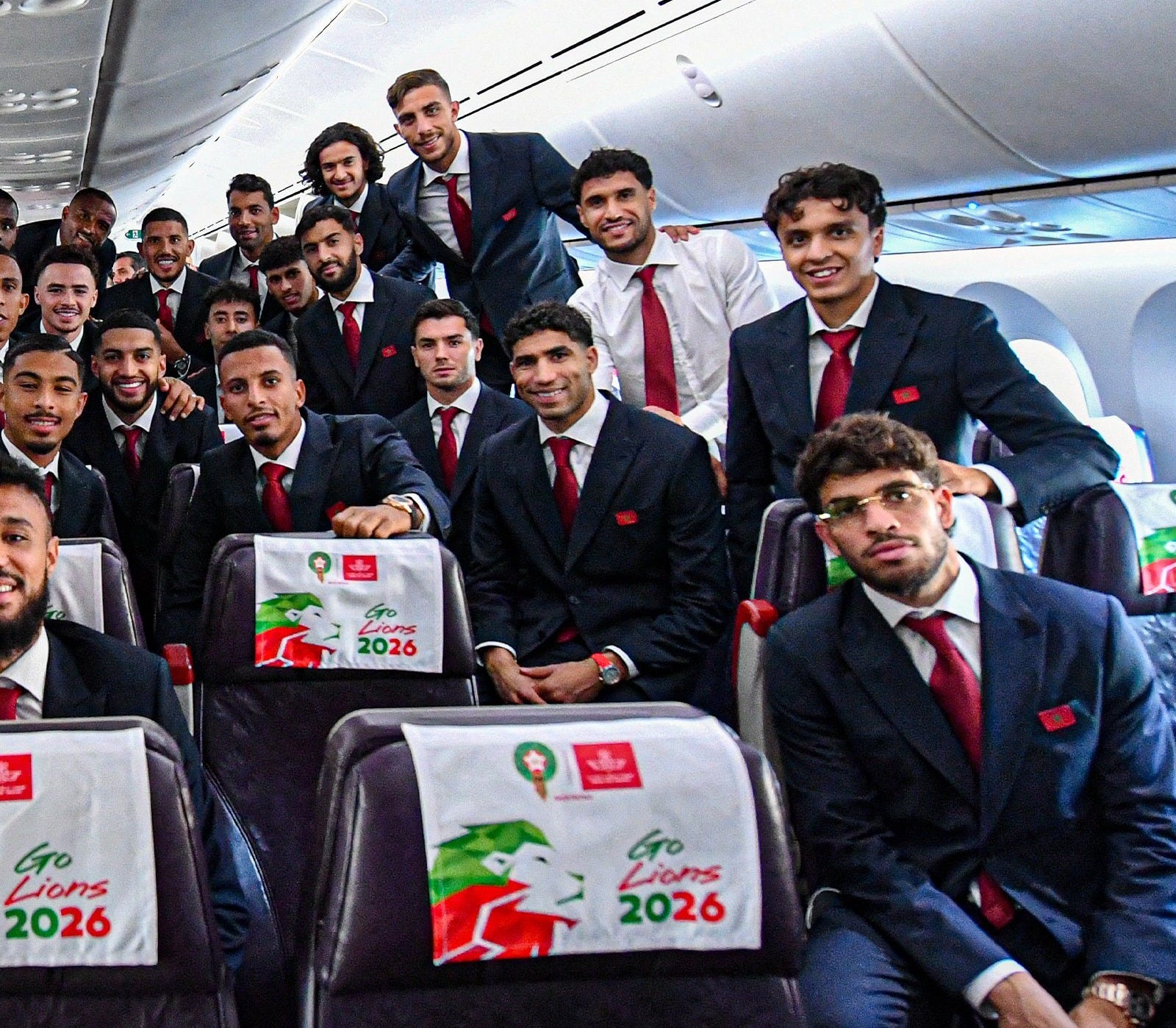

Morocco have entered a new era in world football. Once considered occasional competitors on the global stage, they are now firmly established among Africa’s leading football nations. Their transformation has been built on structure, discipline, and consistency at international level.
Since their breakthrough performances in recent tournaments, the Atlas Lions have developed a reputation for tactical organisation and resilience, especially in high-pressure matches against elite opposition.
The Moroccans. They are no longer outsiders. They are part of the conversation at the highest level of the game.

Identity Card
Nickname: The Atlas Lions
Federation: Royal Moroccan Football Federation (FRMF)
Coach: Mohamed Ouahbi
Captain: Achraf Hakimi
World Cup Appearances: 1970, 1986, 1994, 1998, 2018, 2022, 2026 (qualified)
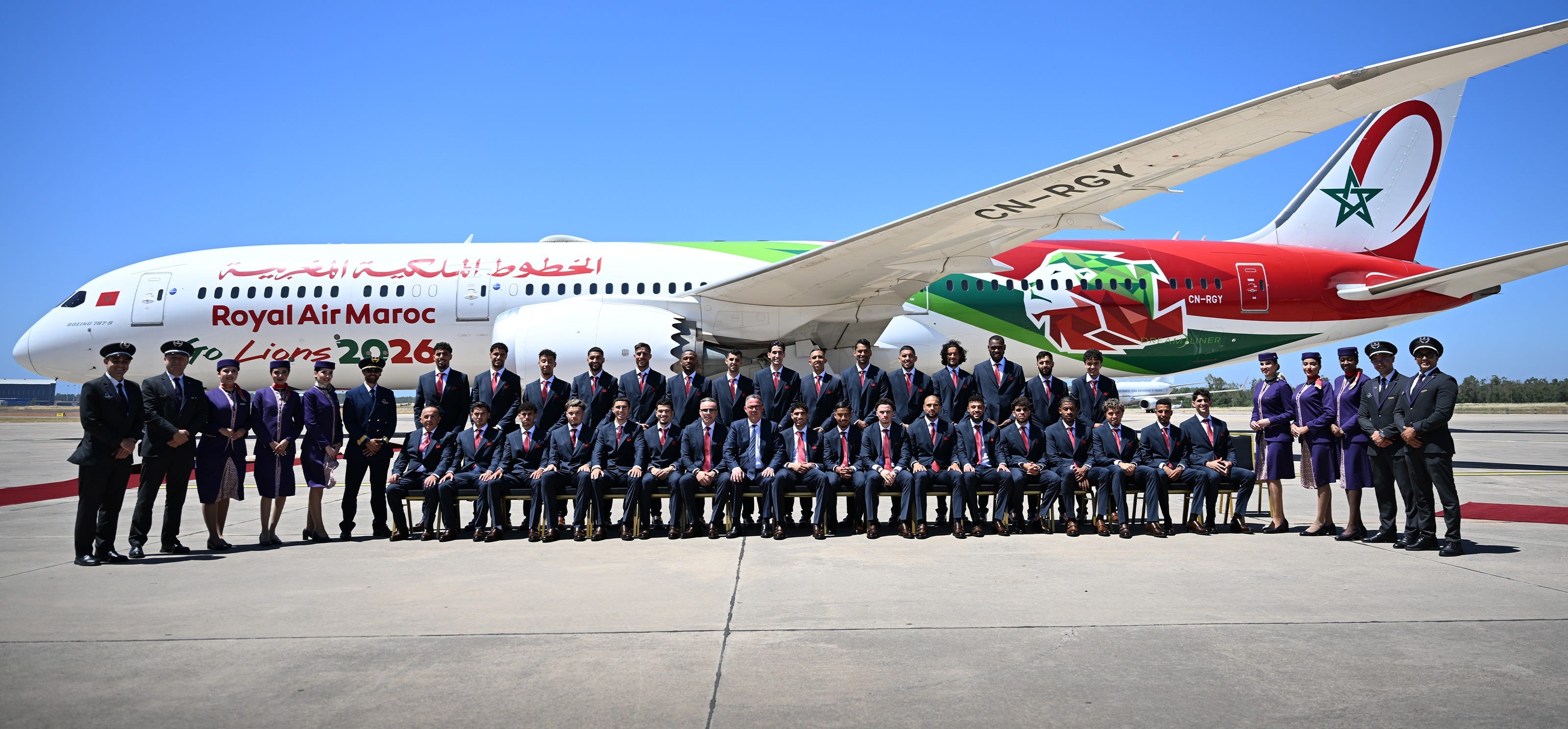
The Road to the World Cup
Morocco secured qualification for the 2026 FIFA World Cup through a strong and controlled qualifying campaign.
Throughout the process, they demonstrated consistency and depth across the squad, maintaining their position as one of Africa’s most reliable performers in international competition.
Qualification reflected continuity rather than surprise — a sign of a team that has maintained its level since its rise in recent years.
Qatar 2022, the Turning Point
Morocco’s modern identity cannot be understood without their 2022 World Cup campaign. In Qatar, the Atlas Lions made history by becoming the first African nation to reach the semi-finals of the FIFA World Cup.
Their journey included victories over Spain and Portugal, achieved through disciplined defending, tactical clarity, and collective strength.
That campaign redefined expectations for African football on the world stage and established Morocco as a benchmark for future generations.
Mohamed Ouahbi and the New Cycle
Following the transition after the 2022 cycle, Morocco entered a new phase under coach Mohamed Ouahbi.
His focus has been on maintaining structure, building continuity, and sustaining the competitive identity established in recent years.
The challenge facing Morocco is no longer discovery — it is consistency at the highest level.
The Core of the Team
Morocco’s strength lies in its collective system rather than dependence on individual stars.
Captain Achraf Hakimi remains one of the most influential full-backs in international football, providing width, pace, and leadership from the right side.
Alongside him, the squad features experienced internationals across all departments, forming a balanced structure capable of competing against elite opposition.
The team’s identity is built on compact defending, fast transitions, and tactical discipline in key moments.
The Weight of Expectation
For the first time in their history, Morocco enter a World Cup with sustained external expectation.
After their 2022 breakthrough, opponents now view them as a strong competitive force rather than an underdog.
That shift changes everything — preparation, pressure, and perception.
A Demanding Tournament Ahead
At the FIFA World Cup 2026, Morocco are expected to face a highly competitive group stage.
Success will depend on their ability to manage tight matches, maintain defensive concentration, and take advantage of key attacking moments.
Margins at this level are small, and consistency will be crucial.
Can Morocco Continue Their Rise?
Morocco have already changed the narrative of African football.
They proved in 2022 that an African team can reach the highest level of the World Cup. The next challenge is sustaining that standard.
They arrive in 2026 not as surprise contenders, but as established competitors.
And once again, as the tournament begins, one truth follows them:
Africa will be watching.


