


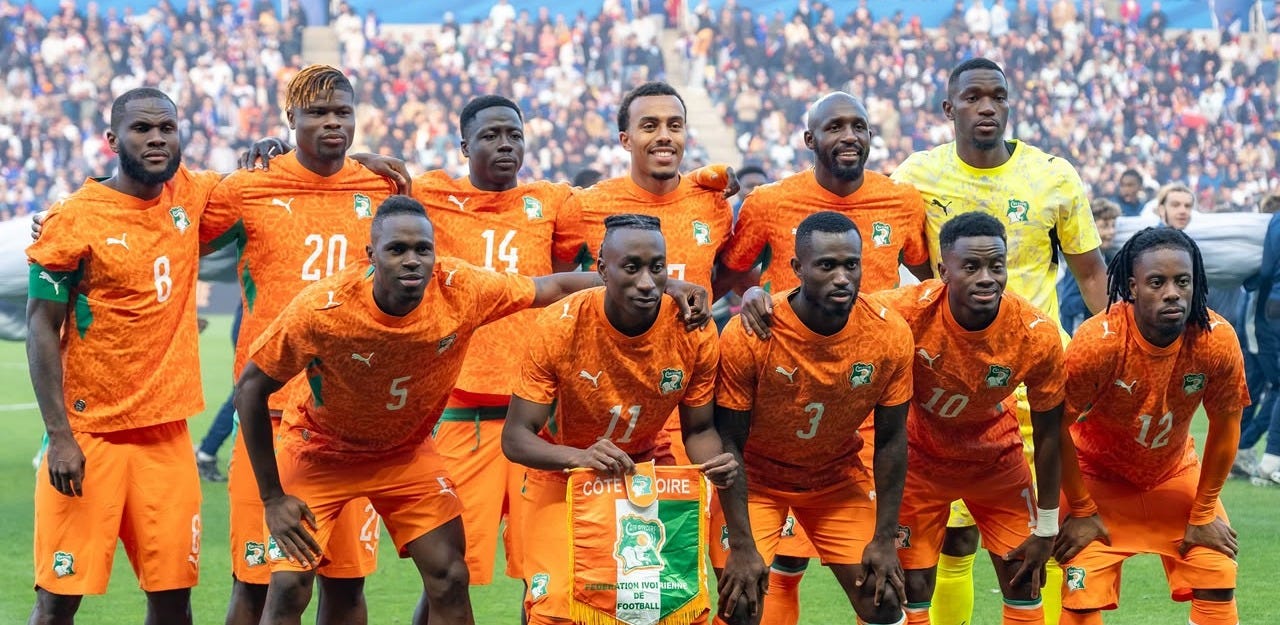

Few African teams will arrive at the 2026 FIFA World Cup carrying greater momentum than Ivory Coast, 33rd in the latest FIFA World Rankings.
The Elephants head to North America with an eagerness to build on a remarkable resurgence that has restored belief throughout one of the continent’s most successful football nations.
Having conquered Africa on home soil back in 2023, the Ivorians—three years unremarkable showings—now turn their attention to the global stage, where they hope to establish themselves among the tournament’s leading contenders.
The 2026 tournament marks Ivory Coast’s fourth FIFA World Cup appearance following previous participations in 2006, 2010 and 2014.
After missing the last two editions, their return signals a new chapter for a nation whose football history has been shaped by both individual brilliance and collective ambition.

New Generation, Familiar Ambition
For many football supporters, Ivory Coast’s Golden Generation remains synonymous with legends such as Didier Drogba, Yaya Touré, Kolo Touré and Gervinho.
That generation transformed the Elephants into a continental powerhouse and secured three consecutive World Cup appearances.
While those icons have long since departed the international stage, the ambition they inspired remains unchanged.
Today’s squad represents a new generation determined to create its own legacy. The team combines experienced leaders with emerging stars, giving Ivory Coast a balance that few African nations can match.
The blend of youth and maturity has helped create a side capable of competing against the world’s best while maintaining the physicality, athleticism and technical quality that have long defined Ivorian football.
The Emerse Faé Effect
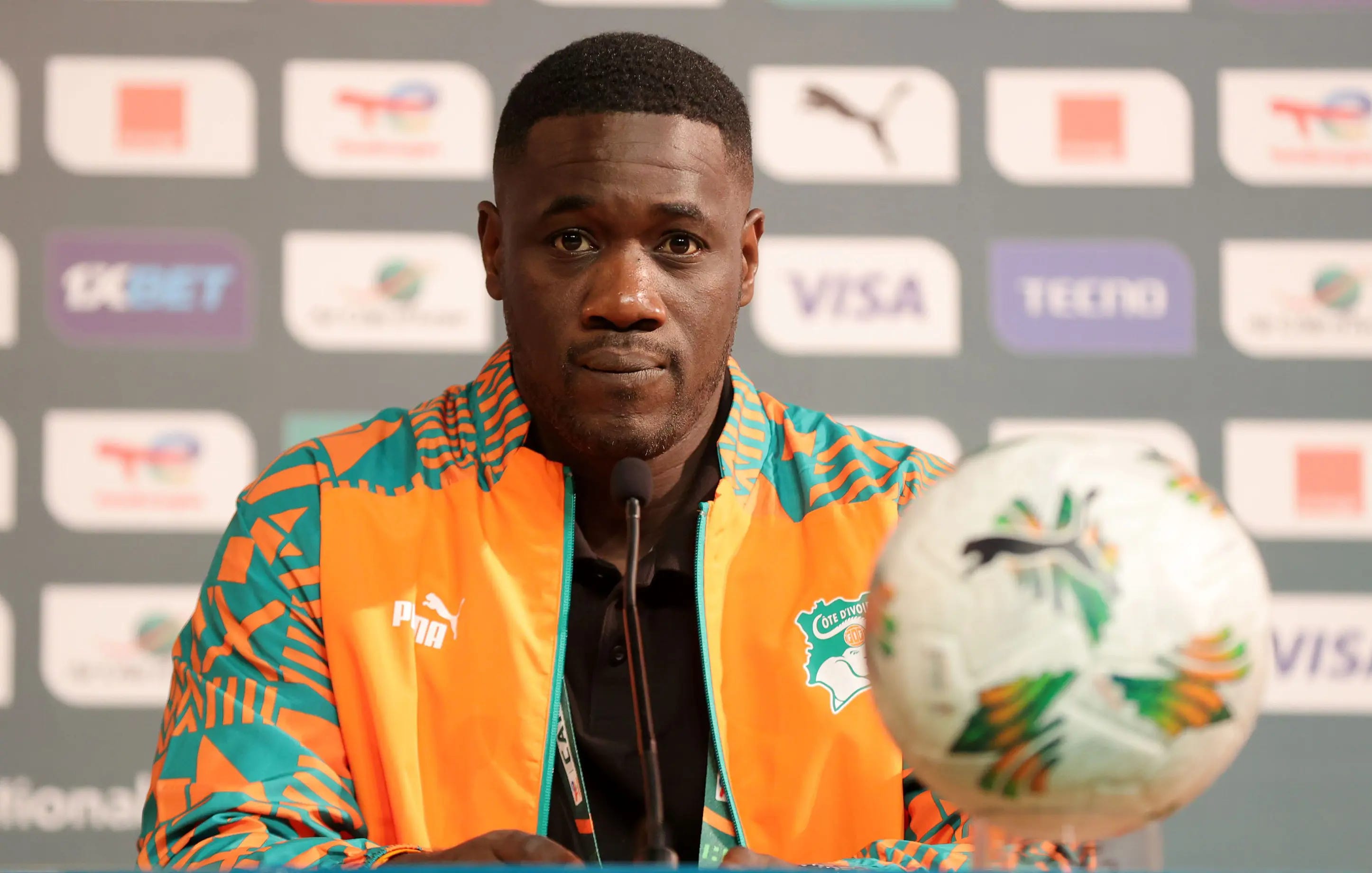
Much of Ivory Coast’s recent success has been attributed to head coach Emerse Faé. His rise has become one of African football’s most compelling coaching stories.
Thrust into the spotlight during the Africa Cup of Nations after the departure of Jean-Louis Gasset, Faé guided the Elephants through a dramatic turnaround that culminated in continental glory.
Under his leadership, Ivory Coast recovered from a difficult start to the tournament and ultimately lifted the trophy in front of their own supporters.
The achievement transformed perceptions of the team and established Faé as one of the continent’s most respected young coaches.
Now he faces a different challenge: translating African success into a meaningful World Cup campaign.
Talent Powerhouse
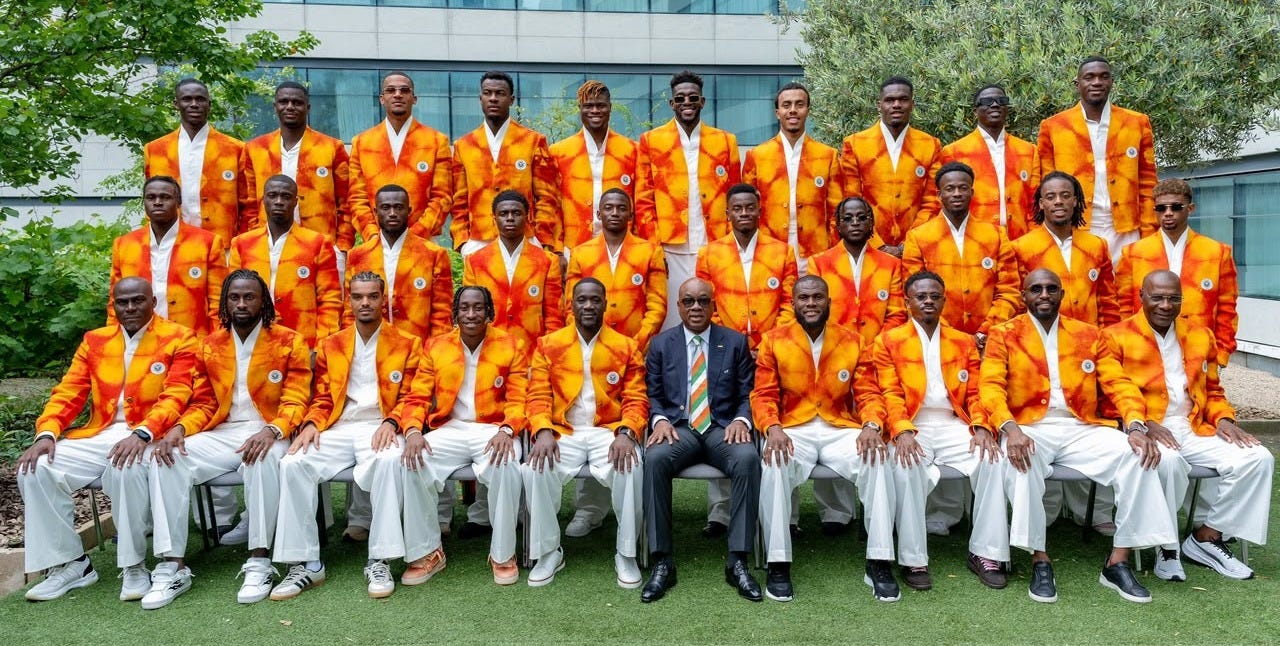
The Elephants possess talent throughout the squad, but several players are expected to feature in pivotal roles in North America.
Midfielder Franck Kessié remains the team’s heartbeat. His leadership, experience and ability to control the tempo of matches make him one of Africa’s most influential midfielders.
Simon Adingra arrives as one of the squad’s most dangerous attacking weapons after emerging as a key figure during Ivory Coast’s AFCON triumph. His pace and creativity provide a constant threat in the final third.
Much attention will also focus on Amad Diallo, whose flair and technical ability have made him one of the most exciting young talents in African football.
At the back, defender Ousmane Diomandé continues to strengthen his reputation as one of the continent’s most promising centre-backs and could prove vital against elite opposition.
Continental Expectations
Record of success inevitably brings expectation. As triple African champions (1992, 2015, 2023), Ivory Coast will shoulder significant pressure from supporters at home and across the continent.
Many fans believe this squad possesses the quality to progress beyond the group stage and challenge established football powers.
While reaching the knockout rounds is viewed as a realistic objective, a deep run would further cement this generation’s place in the country’s football history.
Across Africa, the Elephants are widely regarded as one of the continent’s strongest hopes of making a significant impact at the tournament.
They have been drawn into Group E alongside Germany, Ecuador and Curaçao, and they begin their campaign against Ecuador on 14 June.
They will face Germany six days later in what is expected to be one of the group’s most anticipated fixtures. Their final group match comes against Curaçao on 25 June.
The clash against Germany will provide a significant test of Ivory Coast’s ambitions, while matches against Ecuador and Curaçao could prove decisive in determining qualification for the knockout rounds.
For Ivory Coast, the 2026 FIFA World Cup represents more than a return to football’s biggest tournament.
It is an opportunity to demonstrate that their continental success was not an isolated achievement but the beginning of a new era.
Armed with confidence, talent and the belief that comes from lifting Africa’s biggest prize, the Elephants arrive in North America determined to compete with the world’s best.
They have already conquered a continent. Now they seek to leave their mark on the world.


