


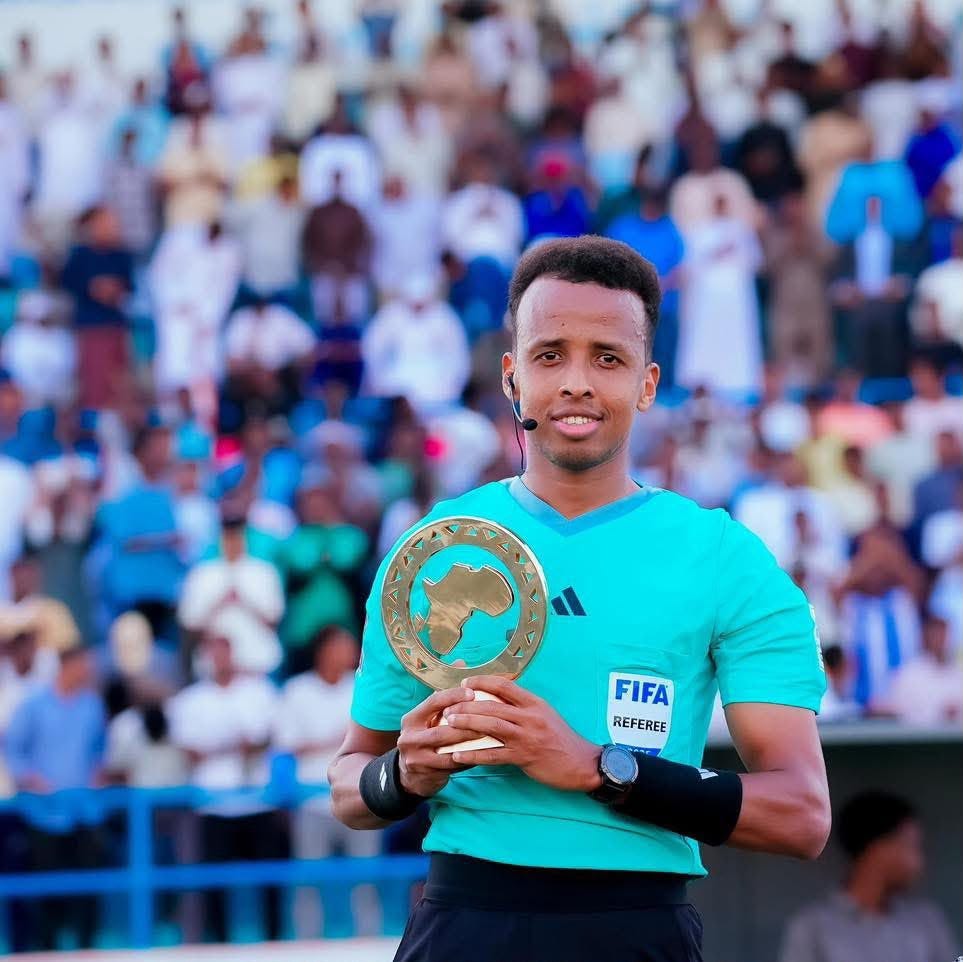

For years, Omar Abdulkadir Artan worked tiresomely toward a moment that only few could think possible. To be a FIFA referee from Somalia is no mean task. But Artan made it.
He faced the gauntlet of social and political instability, limited resources and decades of challenges, to rise steadily through the ranks of African football, earning respect across the continent.
Eventually, the sportsman secured a place among the officials selected for the 2026 FIFA World Cup in North America. His appointment by FIFA—more than a personal achievement—was a milestone for Somali football itself.
And he was set to become the first Somali referee in history to officiate at a FIFA World Cup, a landmark moment celebrated across East Africa and beyond. That dream has now been permanently derailed.
Artan was denied entry into the United States despite holding a valid visa and was subsequently returned to Istanbul after arriving ahead of the tournament.
A senior adviser to Somalia’s Ministry of Youth and Sports told AFP that the referee possessed the necessary travel documentation but was turned back by immigration authorities upon arrival.
No detailed explanation has yet been provided publicly, but Somalia features among a number of African countries whose nationals are subject to a blanket blacklisting by the Trump Administration for immigration purposes.
Only months ago, Artan was recognised as CAF Men’s Referee of the Year for 2025, cementing his reputation as one of the continent’s finest match officials.
His rise has become a source of pride for Somalia, and for African football by extension.
Proof
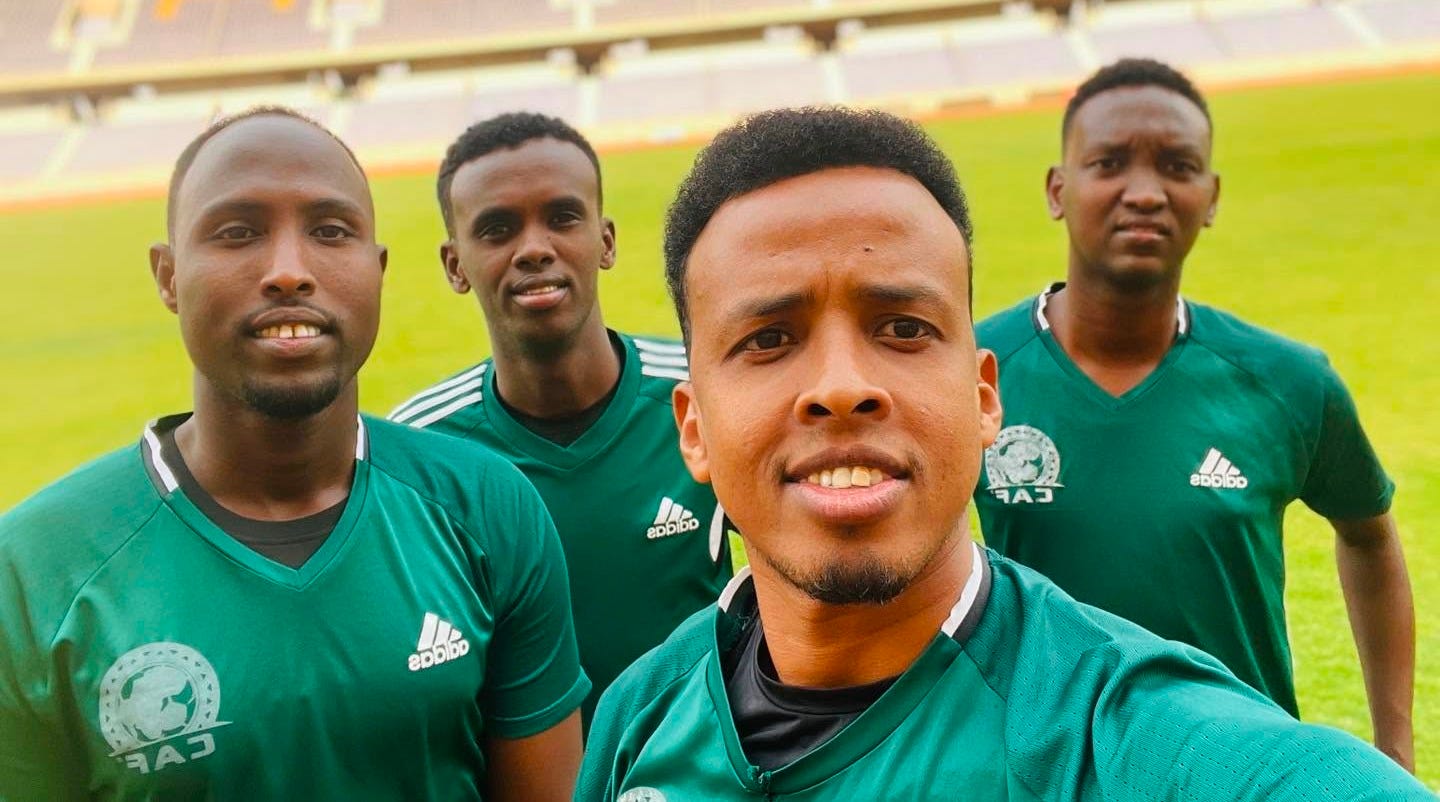
For many young referees across the continent, his journey served as proof that talent, dedication and perseverance could open doors to football’s highest levels. That is why the reports have resonated far beyond Somalia’s borders.
The World Cup is built on stories of achievement. Players spend their careers chasing a place at the tournament. Coaches dream of leading their nations onto the global stage.
In equal measure, referees make sacrifices, often away from the spotlight, dedicating years to mastering their craft in pursuit of the same goal. Artan’s frustrated story is a perfect illustration of such a dedication.
From local pitches in Somalia to the grandest stage in world football, his path reflected both personal grit and the growing influence of Africans officiating within the global game.
Now, with the tournament only days away, FIFA was left with no choice but to forfeit him for North America.
And so, a referee who duly earned his place at the World Cup, will be confined to the sidelines of football’s biggest stage, simply for being of the wrong nationality, as far as one host nation is concerned.

