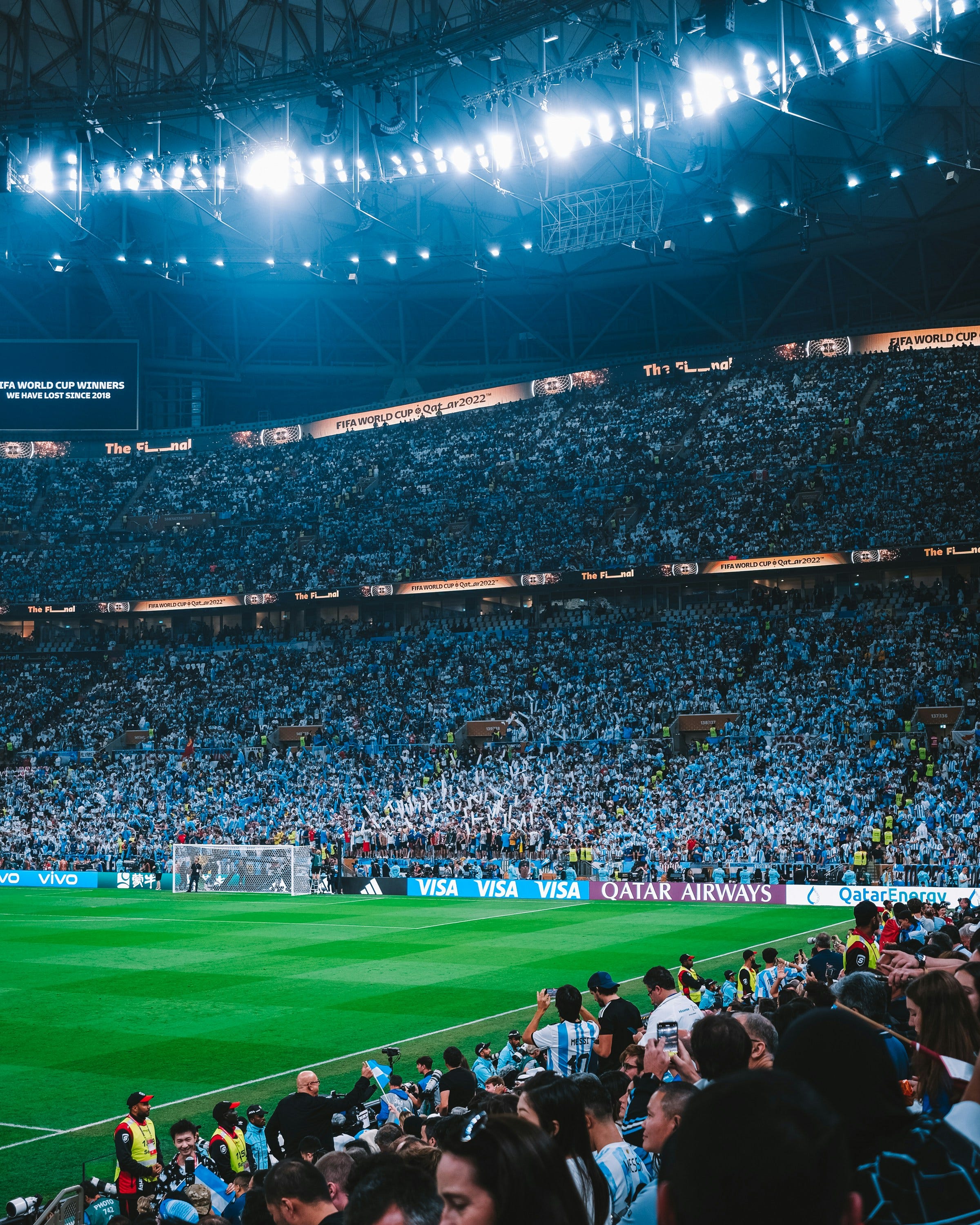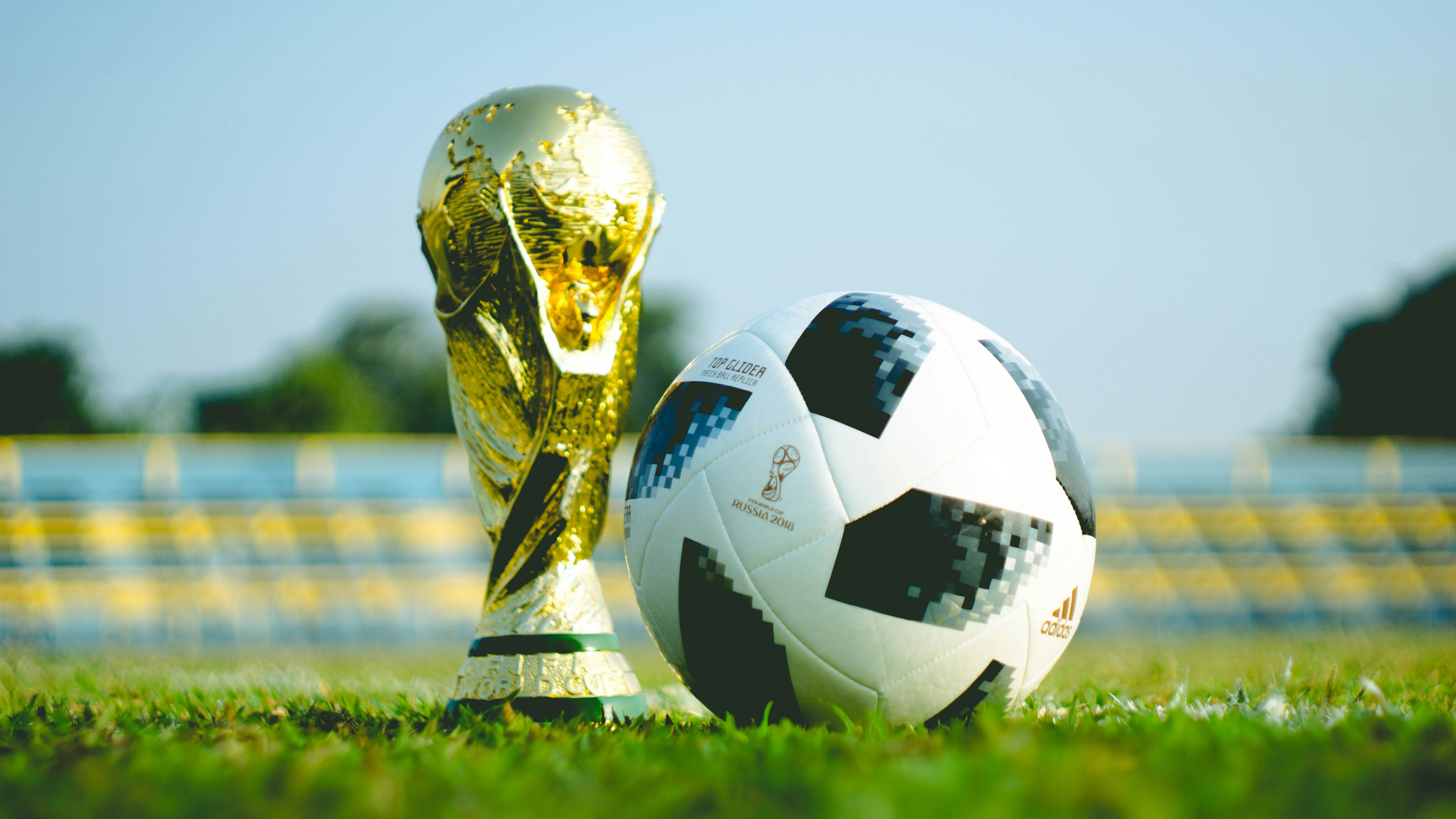

When the FIFA World Cup kicks off across the United States, Canada and Mexico this month, it will mark the beginning of a new era for football’s most celebrated tournament.
For the first time in history, 48 nations will compete for the sport’s biggest prize, making the 2026 edition the largest World Cup ever staged. New teams will make their debuts, new stars will emerge and new stories will be written.
Yet before this chapter begins, the tournament’s remarkable history offers a reminder of how the World Cup became the global phenomenon it is today.

In the Beginning
From humble beginnings in Uruguay nearly a century ago to a competition watched by billions across the world, the World Cup has evolved into far more than a football tournament. It is a stage where nations dream, heroes are born and sporting legends are made.
At the inaugural edition in 1930, with Uruguay as host nation, only 13 countries took part, travelling across oceans to compete in a tournament that many at the time could hardly have imagined would become the world’s most popular sporting event.
FIFA President Jules Rimet believed international football deserved its own global championship, and his vision laid the foundation for what is today, nearly 100 years later, an unparalleled phenomenon in sport.
Over the decades, dozens of nations have competed in the tournament, but only eight have managed to lift the coveted trophy.
Records of Note

Brazil stand alone as the most successful nation with five titles, a record built through generations of iconic players including Pelé, Garrincha, Romário, Ronaldo and Ronaldinho.
Germany and Italy follow with four titles each, while Argentina’s triumph in Qatar in 2022 made it their third time, finally crowing Lionel Messi as an all-round football legend.
Soon into its centenary, the World Cup has continued to grow. What began with a dozen teams expanded to 16, then 24 and eventually 32 nations.
The 2026 tournament, with its 48 competing teams, created opportunities for countries that have never before experienced the World Cup.
Among those making a historic debut are Cape Verde, Jordan, Uzbekistan and Curaçao—the qualification campaigns of these nations have already become part of sporting folklore.
Every World Cup generation produces players whose achievements transcend the tournament itself.
This year, football fans will witness a moment unlike any before. Lionel Messi, Cristiano Ronaldo and Guillermo Ochoa are all set to appear at their sixth FIFA World Cup, becoming the first players in history to reach such a milestone.
For Messi and Ronaldo, the achievement represents more than longevity. Their careers have defined modern football for almost two decades.
Ochoa, whose memorable World Cup performances have become part of Mexican football history, offers another example of endurance at the highest level. And while players come and go, some records have proven more difficult to break.
Germany’s Miroslav Klose remains the World Cup’s all-time leading scorer with 16 goals, surpassing Brazil’s Ronaldo during the 2014 tournament. Klose’s record is one of the most enduring in football.
The Story goes on
Beyond the statistics, the tournament is remembered for its moments—moments like Uruguay’s stunning victory over Brazil in the decisive match of the 1950 tournament.
Played before more than 170,000 spectators at the Maracanã Stadium in Rio de Janeiro, Uruguay’s 2-1 victory shocked the football world and became known simply as the “Maracanazo.” Over 70 years later, it still stands as one of the greatest upsets in sporting history.
As popular and irresistible as it is now, the tournament is not immune to global upheavals—political tensions, social change and global events have occasionally brought it down to its knees. And so, was it suspended between 1938 and 1950 due to the Second World War.
But nothing can said against it as a unique celebration of football’s ability to unite people across cultures, languages and continents. That is why each tournament carries such significance.
When the competition kicks off in North America, new chapters will be added to football’s greatest story. New heroes will emerge. New records may be set.
And perhaps, new unforgettable moments will be witnessed by billions around the world and by the thousands of players, coaches and supporters who arrived in North America.