


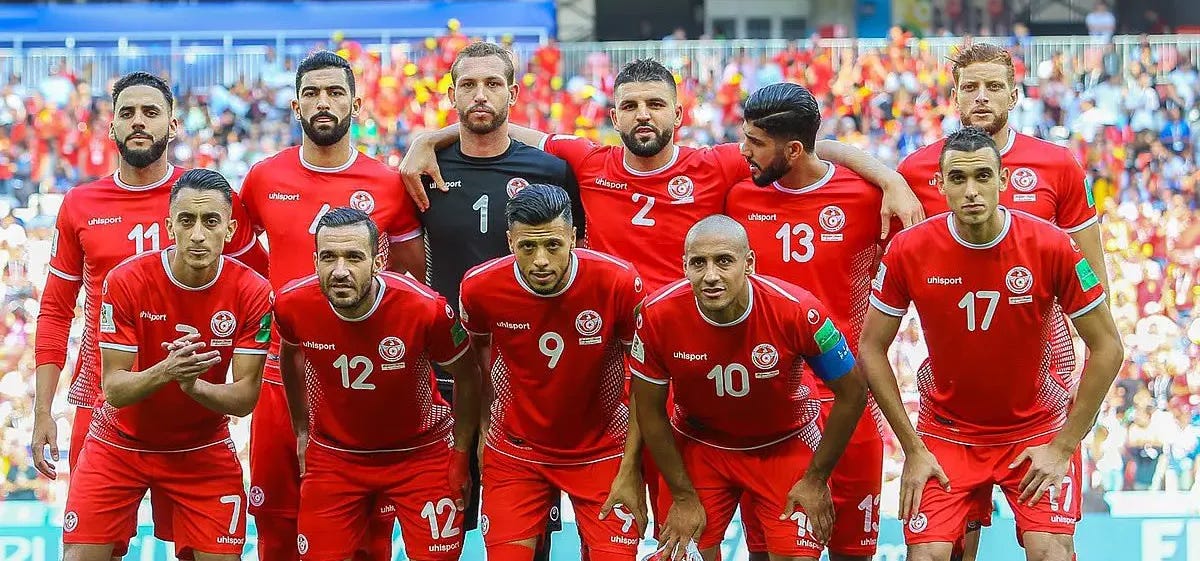

Tunisia will arrive at the 2026 FIFA World Cup carrying both experience and ambition as they prepare for their sixth appearance on football’s biggest stage.
Ranked 44th in the latest FIFA World Rankings, the Eagles of Carthage remain one of Africa’s most consistent World Cup participants.
Their qualification for North America continues a long tradition of representing the continent at the highest level, reinforcing Tunisia’s reputation as a nation that regularly competes among Africa’s elite.
Yet despite their consistency, Tunisia’s mission remains unfinished. The Eagles of Carthage continue to pursue a deeper World Cup run that would elevate their standing in global football and create a new chapter in the country’s sporting history.

Team Profile
· Nickname: Eagles of Carthage
· FIFA Ranking: 44th
· World Cup Appearances: 6 (1978, 1998, 2002, 2006, 2018, 2026)
· Best World Cup Finish: Group Stage
· Head Coach: Sami Trabelsi
Africa’s World Cup Pioneers
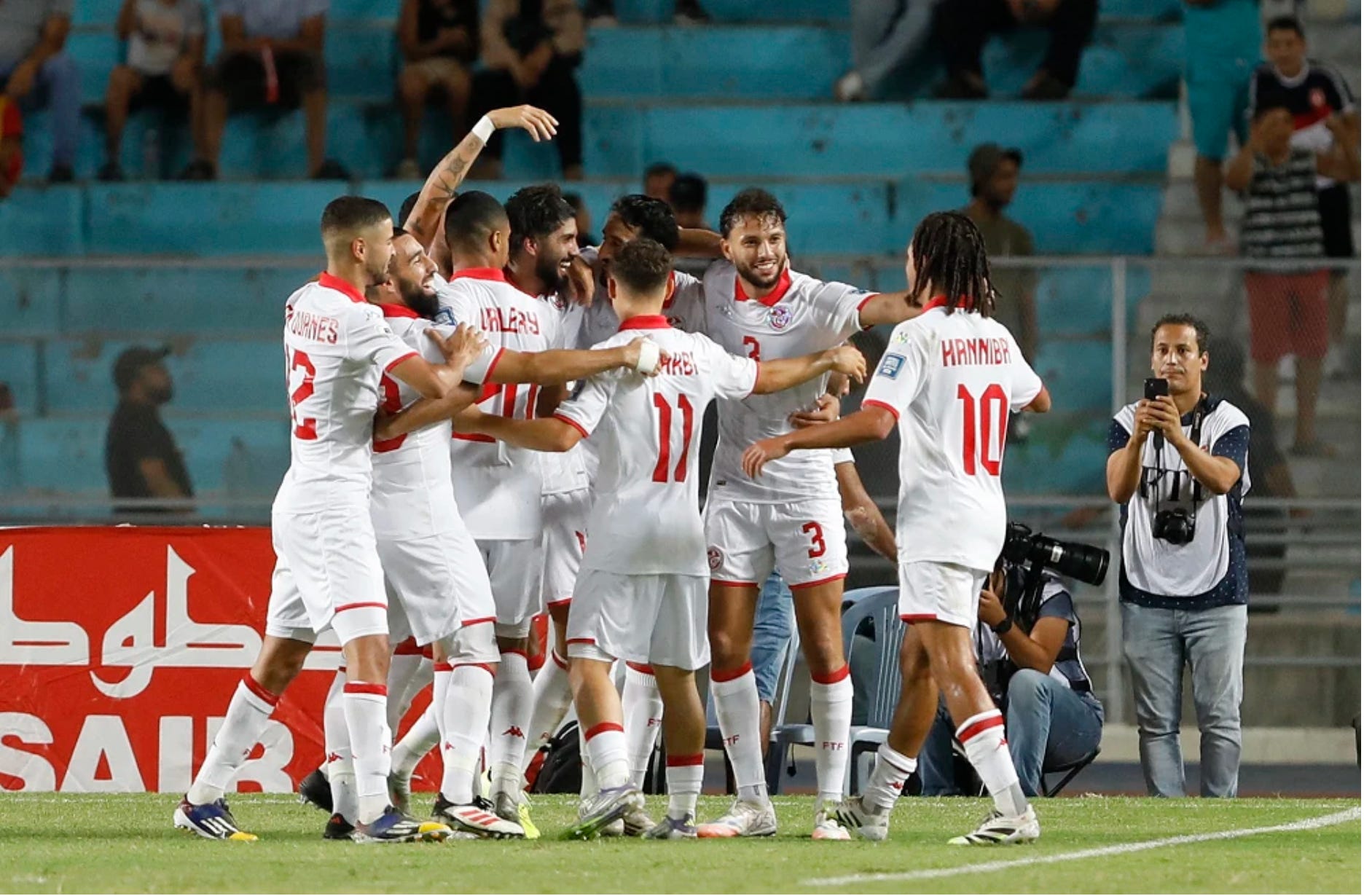
Tunisia holds a special place in African football history. At the 1978 FIFA World Cup in Argentina, Tunisia became the first African nation to win a World Cup match, defeating Mexico 3-1 in a landmark moment for the continent.
That victory helped challenge perceptions of African football and paved the way for future generations of African teams to compete with confidence on the world stage.
Since then, Tunisia have become one of Africa’s most regular World Cup participants, making six appearances at the tournament and consistently challenging for continental honours.
While a place in the knockout rounds has remained elusive, Tunisia’s longevity at the highest level reflects the country’s strong football culture and enduring competitiveness.
Sami Trabelsi’s Mission
Leading the Eagles of Carthage is head coach Sami Trabelsi, a familiar and respected figure in Tunisian football.
Tasked with guiding Tunisia through a new era, Trabelsi has sought to blend the experience of established internationals with a younger generation eager to leave its mark.
His approach emphasises organisation, tactical discipline and collective effort—qualities that have long defined Tunisian football.
As the World Cup approaches, Trabelsi’s challenge will be helping Tunisia translate those strengths into results against some of the world’s strongest teams.
Players to Watch
Tunisia’s squad features a number of experienced players capable of making a difference on the international stage.
Midfielder Ellyes Skhiri remains one of the team’s most influential figures. With more than 80 international appearances, his leadership, composure and ability to control matches will be crucial to Tunisia’s hopes.
Captain Youssef Msakni continues to provide experience and creativity in attack, while defender Montassar Talbi has become a key pillar in the team’s defensive structure.
Supporters will also be watching a new generation of Tunisian talent eager to establish themselves on the global stage and lead the national team into the future.
Together, they give Tunisia a blend of experience and youthful ambition that could prove vital in a demanding tournament.
Expectations and Continental Pride
Tunisia’s supporters have grown accustomed to seeing their team compete at the World Cup. As a result, qualification alone is rarely considered enough.
Fans will hope the Eagles of Carthage can finally advance beyond the group stage and achieve a breakthrough that has eluded previous generations.
Across Africa, Tunisia are respected for their consistency, organisation and resilience. While they may not enter the tournament among the favourites, they remain a team capable of frustrating stronger opponents and producing surprises.
For many observers, Tunisia’s greatest strength lies in their ability to remain disciplined under pressure and compete collectively against more fancied opposition.
Group Stage Challenge
Tunisia have been drawn into Group F alongside the Netherlands, Japan and Sweden.
The Eagles of Carthage open their campaign against Sweden on June 14 before facing Japan on June 21.
Their final group-stage fixture comes against the Netherlands on June 25, a match that could prove decisive in determining qualification for the knockout rounds.
The group presents a significant challenge, but Tunisia will believe their experience and discipline give them a realistic chance of competing for a place in the next round.
Avoiding defeat in the opening matches could prove crucial as they seek to keep their World Cup dream alive heading into the final group fixture.
Chasing History Once Again
For Tunisia, the 2026 FIFA World Cup is another opportunity to build on a proud footballing tradition.
The Eagles of Carthage have long served as ambassadors for African football on the world stage. Now they seek to create a new milestone and deliver the breakthrough their supporters have awaited for decades.
With experience, determination and a clear identity, Tunisia arrive in North America ready to embrace the challenge.
The question is whether this generation can achieve what none before it has managed: guide Tunisia beyond the group stage and into the knockout rounds of a FIFA World Cup.
For the Eagles of Carthage, that would represent more than a sporting achievement—it would be a moment of history.


