


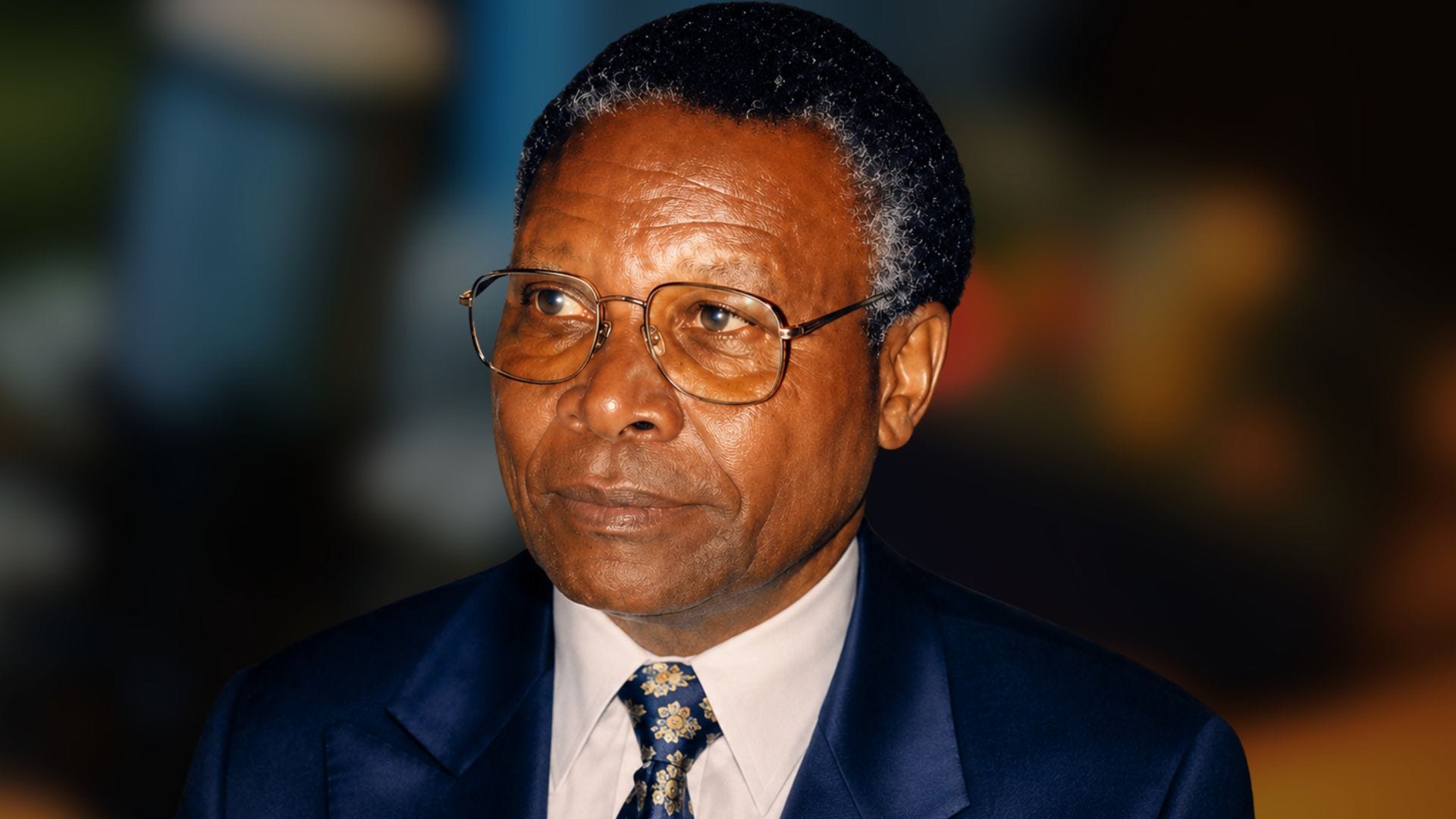

The death of Félicien Kabuga has reignited debate over international justice, the rights of accused persons, and the relationship between global tribunals and states.
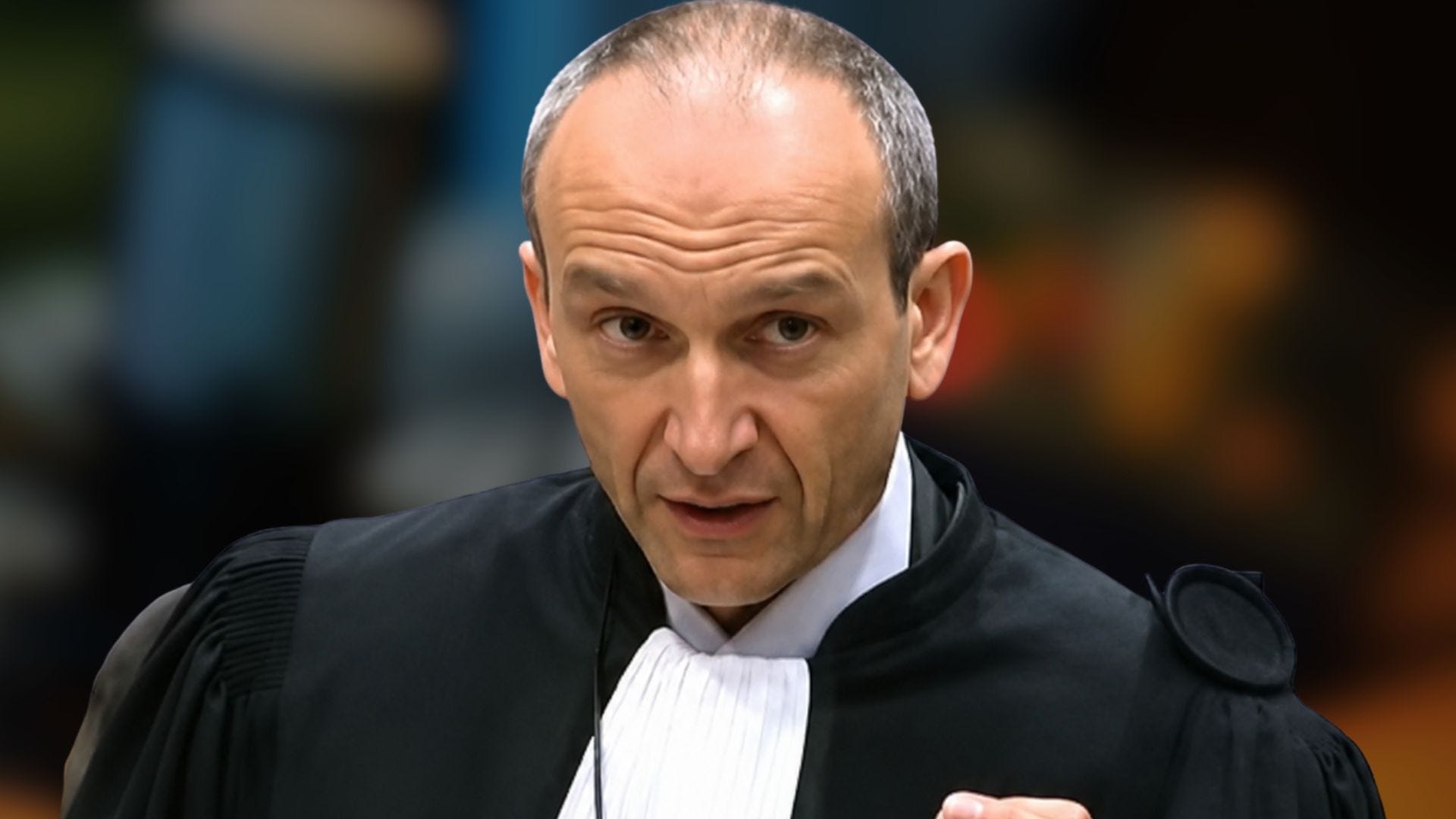
In an interview with Radio Agasaro Kaburaga following Kabuga’s death, his lead defence counsel, Emmanuel Altit, expressed sadness, frustration, and criticism of the international system that kept his client in detention until his final days.
Prosecutors had accused Kabuga of playing a central role in financing the genocide against the Tutsi, allegations he consistently denied. The trial was suspended after judges ruled he was no longer fit to participate meaningfully in proceedings.
Kabuga was arrested near Paris in 2020 after decades as one of the world’s most wanted fugitives. Prosecutors accused him of helping finance the 1994 genocide against the Tutsi in Rwanda, including allegations linked to the RTLM radio station and militia support networks.
The proceedings before the International Residual Mechanism for Criminal Tribunals were eventually suspended after judges concluded that Kabuga’s deteriorating health and cognitive condition made him unfit to continue standing trial. No final judgment was ever delivered.
For many survivors of the genocide, the case represented one of the last opportunities to establish judicial accountability for one of the genocide’s alleged financiers. Human-rights organizations and survivors’ groups repeatedly stressed the importance of justice and historical truth for victims and their families.
Still, Kabuga died before any court could determine his guilt or innocence through a completed judicial process.
“A Great Sadness”
Asked about his reaction to Kabuga’s death, Altit said he felt “great sadness,” particularly because his client was unable to spend his final days surrounded by family despite judicial efforts to secure his release to a host country.
“The Trial Chamber did everything possible to help us find a host state where he could go in order to spend his last moments with his family,” Altit said.
He added that Kabuga’s family endured the ordeal “with remarkable dignity.”
Why Did No Country Accept Him?
One of the unresolved questions surrounding the case remains why no country agreed to host Kabuga despite requests from the defence and encouragement from the court.
Altit suggested the answer lay more in politics than law.
“It is a question that allows us to reflect on what lies behind official statements, on what international relations are really made of,” he said.
The lawyer argued that states failed in their obligations toward the international mechanism handling the case.
“One would have to ask the authorities of the states that were approached why they refused,” he said.
According to Altit, officials viewed the Kabuga case through “the prism of their politically correct vision.”
The defence lawyer did not disclose which countries had refused to receive Kabuga, saying some discussions remained confidential. Legal analysts note that states are often reluctant to host high-profile genocide suspects because of political sensitivity, diplomatic pressure, and public opinion.
Was Kabuga’s Detention a Violation of His Rights?
Altit stopped short of directly calling Kabuga’s detention unlawful, but acknowledged questions surrounding his continued imprisonment after judges had already recognized his deteriorating condition.
“His status was the issue. We filed a number of requests for that status to change,” he said.
He nevertheless maintained that Kabuga received proper medical treatment while in detention.
“He was treated appropriately and positively,” Altit said.
Still, he admitted the contradiction remained troubling given that judges had earlier attempted to facilitate his release.
Critics of the defence position argue that the gravity of the accusations and the historic significance of the case made states extremely cautious. Some genocide survivors have also argued publicly that Kabuga’s detention remained justified given the seriousness of the allegations against him.
“Accused Does Not Mean Guilty”
Perhaps the strongest point made by the defence lawyer concerned the principle of presumption of innocence.
Responding to those who argue that justice for genocide victims should remain the priority, Altit insisted that legal principles must still apply.
“During that process, regardless of the accusations, the accused person remains presumed innocent,” he said.
He stressed that no final judgment had ever been delivered in Kabuga’s case.
“Only at the end of the process, when there is a final judgment, can one determine whether the accused committed condemnable acts.”
Altit concluded with a statement likely to fuel further debate around the legacy of the case:
“Simply accusing someone does not make them guilty.”
Legal scholars often note that international criminal justice operates under the same core principles as national justice systems, including the presumption of innocence until proven guilty. However, many survivors and advocacy groups maintain that the extensive evidence gathered by prosecutors over decades should not be overlooked simply because proceedings could not be completed.
Questions for International Justice
Beyond the personal fate of Kabuga, Altit argued that the case exposed structural weaknesses in international criminal justice.
“The end of the Kabuga case reveals a problem in the relationship between international criminal justice and states,” he said.
He criticized states for failing to cooperate fully with international judicial decisions.
“States did not fulfill their obligation to cooperate,” Altit argued.
For him, the central issue is whether international courts truly possess the power to enforce their rulings when states refuse to comply.
“Can international courts enforce decisions against the will of states? The answer is obviously no.”
The case is likely to remain controversial for years. To some, Kabuga died as a man accused of helping finance one of the world’s worst atrocities. To others, he died without ever having the opportunity to fully answer those accusations in a completed court process.
His death therefore leaves behind not only grief and political controversy, but also unresolved questions about justice, accountability, due process, and the limits of international criminal law.