


Rwanda has ruled out withdrawing Louise Mushikiwabo’s candidacy for a third term as Francophonie Secretary-General, despite reports that French President Emmanuel Macron personally asked Paul Kagame to pull her out of the race. The Democratic Republic of Congo has threatened to reconsider its membership if she is re-elected.
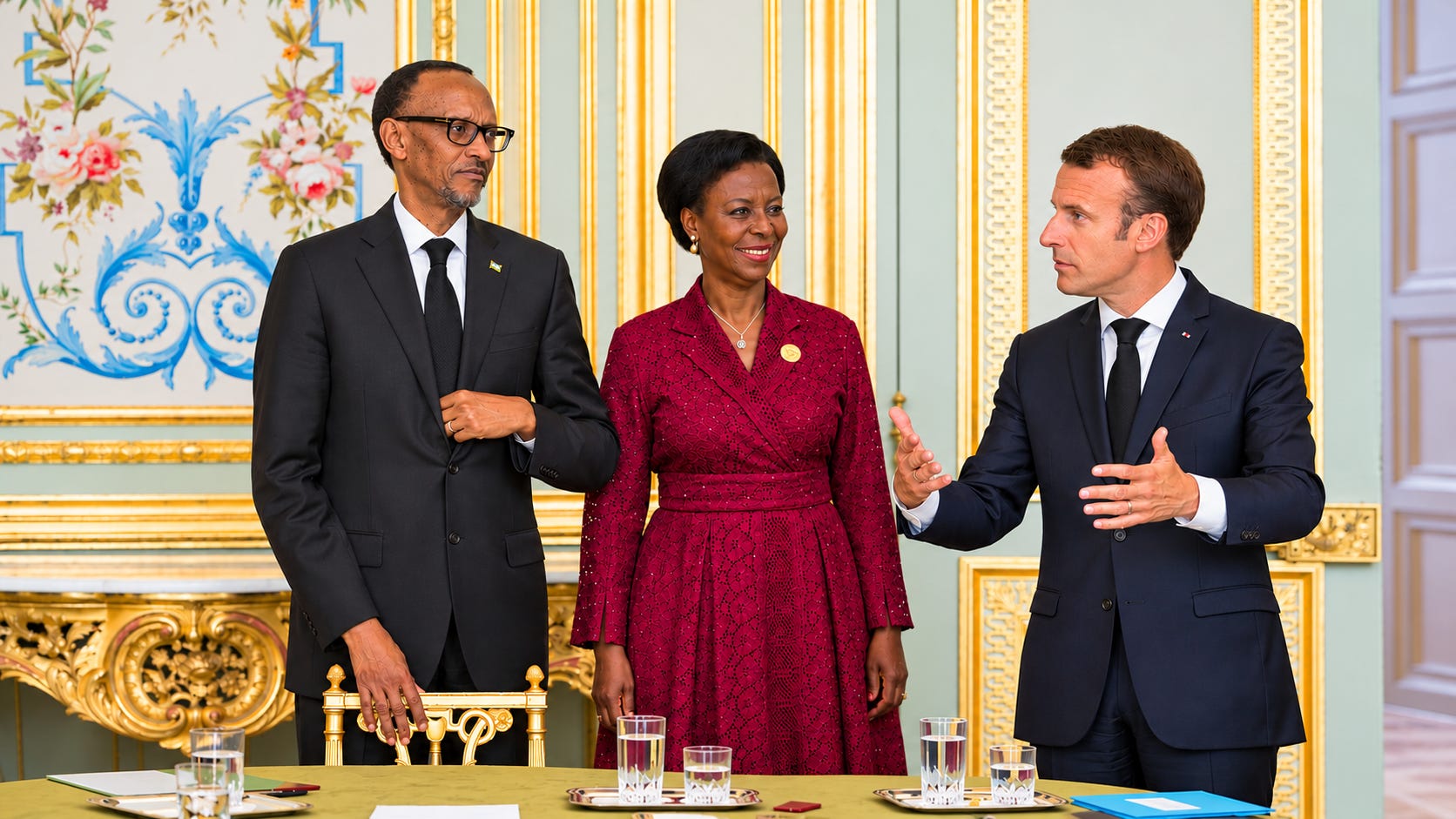

“Louise Mushikiwabo will never withdraw.”
That was the unequivocal response Rwanda’s Foreign Minister Olivier Nduhungirehe gave The African Gazette when asked whether his country would withdraw Mushikiwabo’s candidacy for a third term as Secretary-General of the International Organisation of La Francophonie (OIF).
His remarks follow a report by Jeune Afrique that French President Emmanuel Macron personally asked Rwandan President Paul Kagame to withdraw her candidacy ahead of the leadership election in Phnom Penh, Cambodia.
The statement signals Kigali’s determination to stand by Mushikiwabo despite reported pressure from Paris and strong opposition from the Democratic Republic of Congo, which has threatened to reconsider its membership of the organisation if she is re-elected.
Mushikiwabo, who has led the OIF since January 2019, is seeking another four-year mandate. Her candidacy has become entangled in the diplomatic confrontation between Rwanda and the DRC over the conflict in eastern Congo, raising questions about the future unity of the French-speaking organisation.
Macron’s reported intervention
According to Jeune Afrique, Macron personally asked Kagame to withdraw Mushikiwabo’s candidacy ahead of the November 16 election.
The reported intervention marks a striking reversal from 2018, when France supported her election to succeed Canada’s Michaëlle Jean. At the time, her appointment was widely seen as a diplomatic success for Rwanda and an important step towards improving relations between Paris and Kigali.
Eight years later, the political landscape has changed considerably.
The conflict in eastern DRC has complicated France’s relations with Rwanda. Kinshasa accuses Kigali of supporting the M23 rebellion, allegations backed by findings from UN experts and measures taken by Western governments. Rwanda disputes accusations about its involvement.
Paris now faces a difficult diplomatic calculation. Supporting Mushikiwabo risks further alienating Kinshasa, while opposing her could strain relations with Kigali.
Macron’s reported request suggests that France may be seeking an alternative candidate to avoid a confrontation that could weaken the Francophonie.
But France cannot determine the outcome alone. The OIF is a multilateral organisation whose Secretary-General is chosen by member states. If Mushikiwabo retains sufficient support, French opposition may not prevent her re-election.
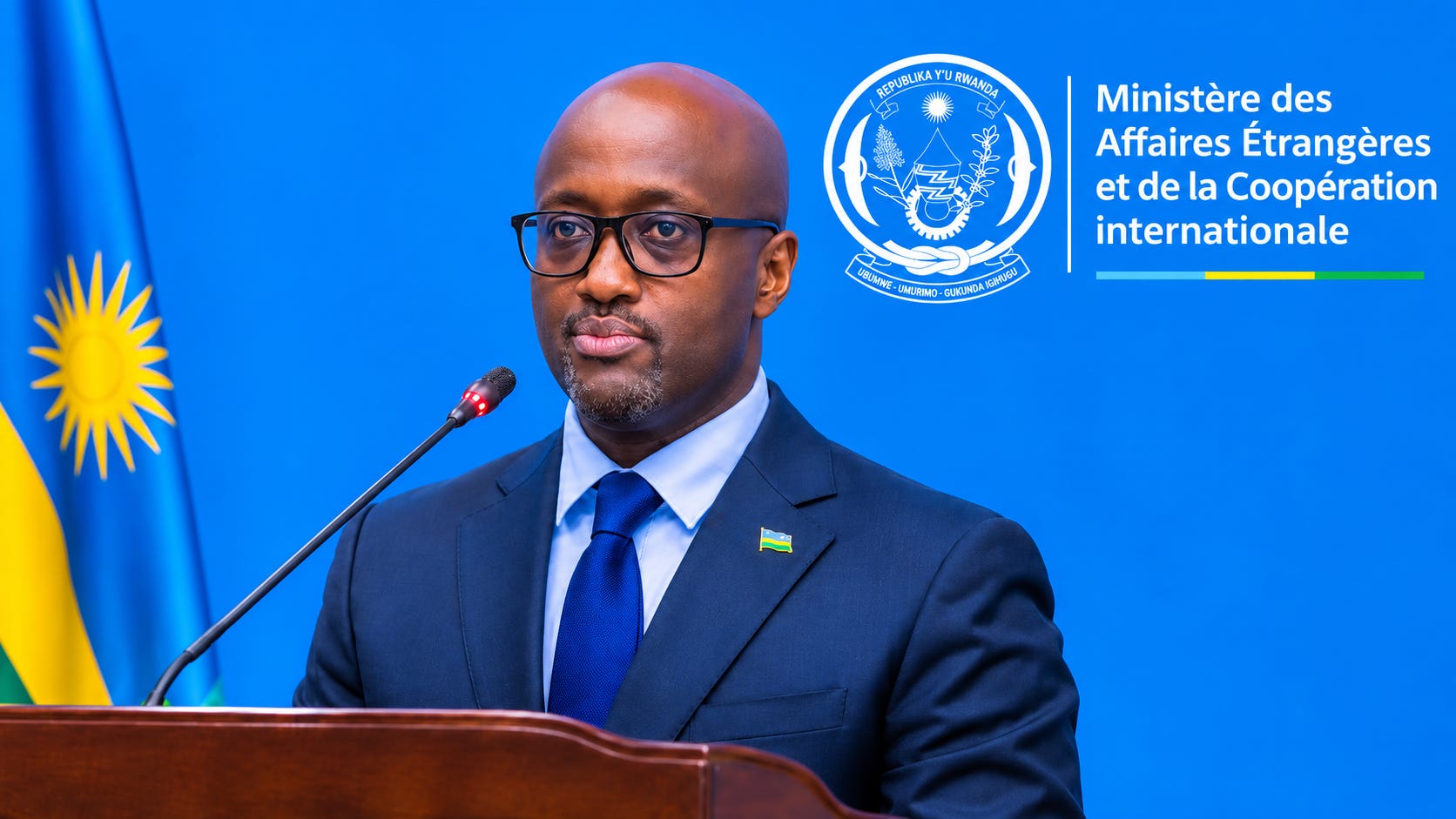
Rwanda remains confident
Nduhungirehe has previously defended Mushikiwabo’s candidacy, saying Rwanda’s decision to support another term followed consultations with member states that expressed confidence in her leadership.
Speaking to Jeune Afrique, he highlighted reforms introduced since she took office in January 2019, including efforts to strengthen the organisation’s effectiveness and political credibility.
“We are therefore quite confident in the success of this proposal,” he said.
Her supporters point to institutional reforms, greater emphasis on economic cooperation, youth employment, education and digital transformation.
Mushikiwabo has also championed artificial intelligence, arguing that French-speaking countries must equip their young populations with the skills needed in an increasingly digital economy.
For Kigali, another mandate would allow her to consolidate those reforms rather than begin a new institutional transition.
Nduhungirehe’s latest statement to The African Gazette suggests Rwanda has no intention of abandoning that objective, regardless of Macron's reported intervention.
Congo threatens to leave the Francophonie
The DRC has taken the strongest public position against Mushikiwabo’s candidacy.
Kinshasa is supporting Juliana Amato Lumumba, a former Congolese minister and daughter of independence leader Patrice Lumumba. The government argues that its country’s demographic importance within the French-speaking world deserves greater recognition.
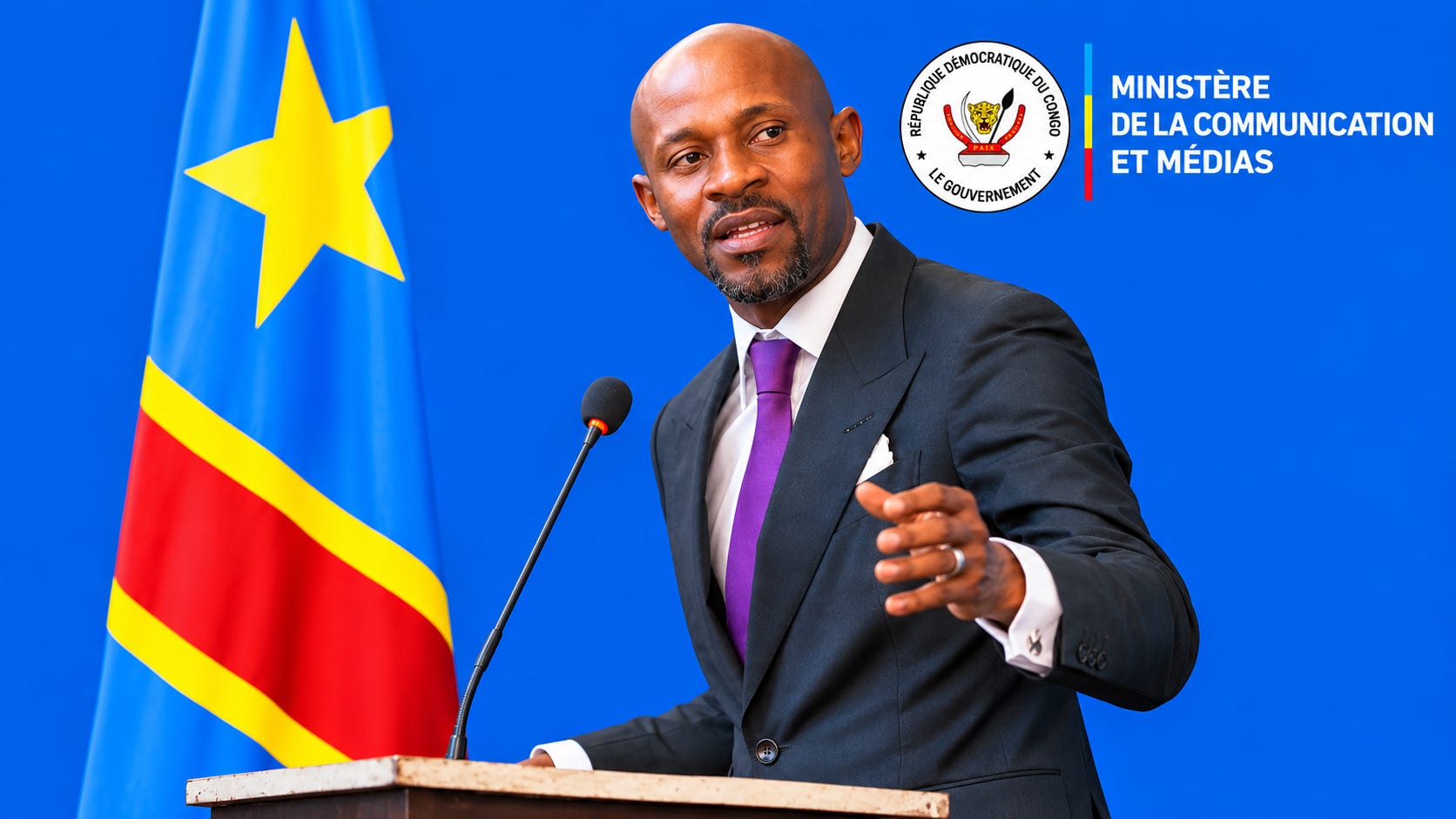
On November 11, 2026, DRC Government Spokesperson and Minister of Communication and Media Patrick Muyaya told Radio France Internationale (RFI) that re-electing Mushikiwabo would be inconsistent with his country’s values, particularly cooperation among nations, respect for national sovereignty and democracy.
Muyaya warned that Kinshasa would draw consequences if she secured another mandate.
“If Louise Mushikiwabo is reappointed to lead the Francophonie, we will draw the consequences,” he said.
Those consequences could include withdrawing from the OIF, although no formal decision to leave has been announced.
Such a departure would be a serious setback. The DRC is the world’s largest French-speaking country by population, and losing it would weaken the organisation’s influence and credibility in Africa.
Mushikiwabo rejects Kinshasa’s pressure
Mushikiwabo has responded sharply to the Congolese government’s warning.
Speaking to journalists on the sidelines of the opening of the 20th Francophonie Summit in Phnom Penh, she expressed surprise that Kinshasa would consider leaving the organisation over her candidacy.
“A great country, a great people cannot engage in blackmail,” she said, according to remarks reported by Jeune Afrique.
She added that Congo was too great a country to resort to what she described as political tantrums.
“Congo is too great a country to throw tantrums,” she said.
Mushikiwabo also pointed out that 53 states participate in the organisation’s decision-making process and that no single country has the right to veto the election of its Secretary-General.
Her response reflects a position similar to Nduhungirehe's: Rwanda’s candidate will not withdraw simply because another member state opposes her.
The exchange illustrates how deeply the conflict between Rwanda and the DRC has affected an organisation whose founding principles include international cooperation, peace and solidarity.
Four candidates, an uncertain contest
Mushikiwabo faces three challengers: Juliana Amato Lumumba of the DRC, Mauritania’s Coumba Bâ and Dacian Cioloș, a former Romanian prime minister.
Lumumba’s candidacy carries political and historical significance. Her election would give the DRC leadership of an organisation in which it has considerable demographic weight.
Cioloș could attract governments seeking a change without becoming directly involved in the Rwanda–DRC dispute, while Bâ could emerge as a compromise candidate if negotiations reach a deadlock.
The challenge for Mushikiwabo’s opponents is that they have not publicly united behind a single alternative.
France’s reported opposition does not necessarily mean Paris supports Lumumba. Nor does Kinshasa’s campaign guarantee that other governments dissatisfied with Mushikiwabo will back its candidate.
That division could benefit the incumbent.

Why Mushikiwabo could still win
Mushikiwabo’s principal advantage is her record in office. Nearly eight years as Secretary-General have allowed her to build relationships with governments across Africa, Europe, Asia and the Americas.
Her second advantage is Rwanda’s diplomatic campaign. Nduhungirehe’s confidence suggests Kigali believes she enjoys support beyond her home country, although public expressions of encouragement do not necessarily translate into votes.
Third, her challengers represent different political constituencies, making it difficult to assemble a united opposition.
The OIF traditionally seeks consensus when selecting its Secretary-General. If no agreement emerges, its rules allow a vote.
That means neither France nor the DRC can single-handedly block Mushikiwabo’s reelection.
The decisive question is whether Macron’s reported intervention has persuaded enough member states to reconsider their positions.
Victory could come at a price
Even if Mushikiwabo wins, she may face a difficult third mandate.
A victory against the wishes of France and the DRC would require her to rebuild confidence among governments that opposed her candidacy.
If Kinshasa follows through on its threat to leave, the Francophonie could lose one of its most important members.
For France, the outcome could also prove uncomfortable. Paris might find itself working with a secretary-general whose re-election its president reportedly tried to prevent.
For Rwanda, a Mushikiwabo victory would demonstrate that Kigali retains significant diplomatic support despite international criticism over eastern Congo.
Nduhungirehe’s declaration that Mushikiwabo will never withdraw removes any apparent ambiguity about Rwanda’s intentions. But it does not settle the election.
Last-minute negotiations, changes in voting intentions or a shift towards a compromise candidate could still alter the outcome.
Mushikiwabo may have the diplomatic backing needed to secure a third term. But if she wins, her greatest challenge may be preserving the unity of an organisation increasingly divided by the political disputes of its member states.