


More than 30,000 refugees at Malawi’s overcrowded Dzaleka camp face exclusion from World Food Programme assistance under new funding-driven restrictions. Refugee community leader Simon Nzigamasabo warns that families already struggling to survive could face worsening hunger unless international donors intervene and Malawi eases restrictions on employment.
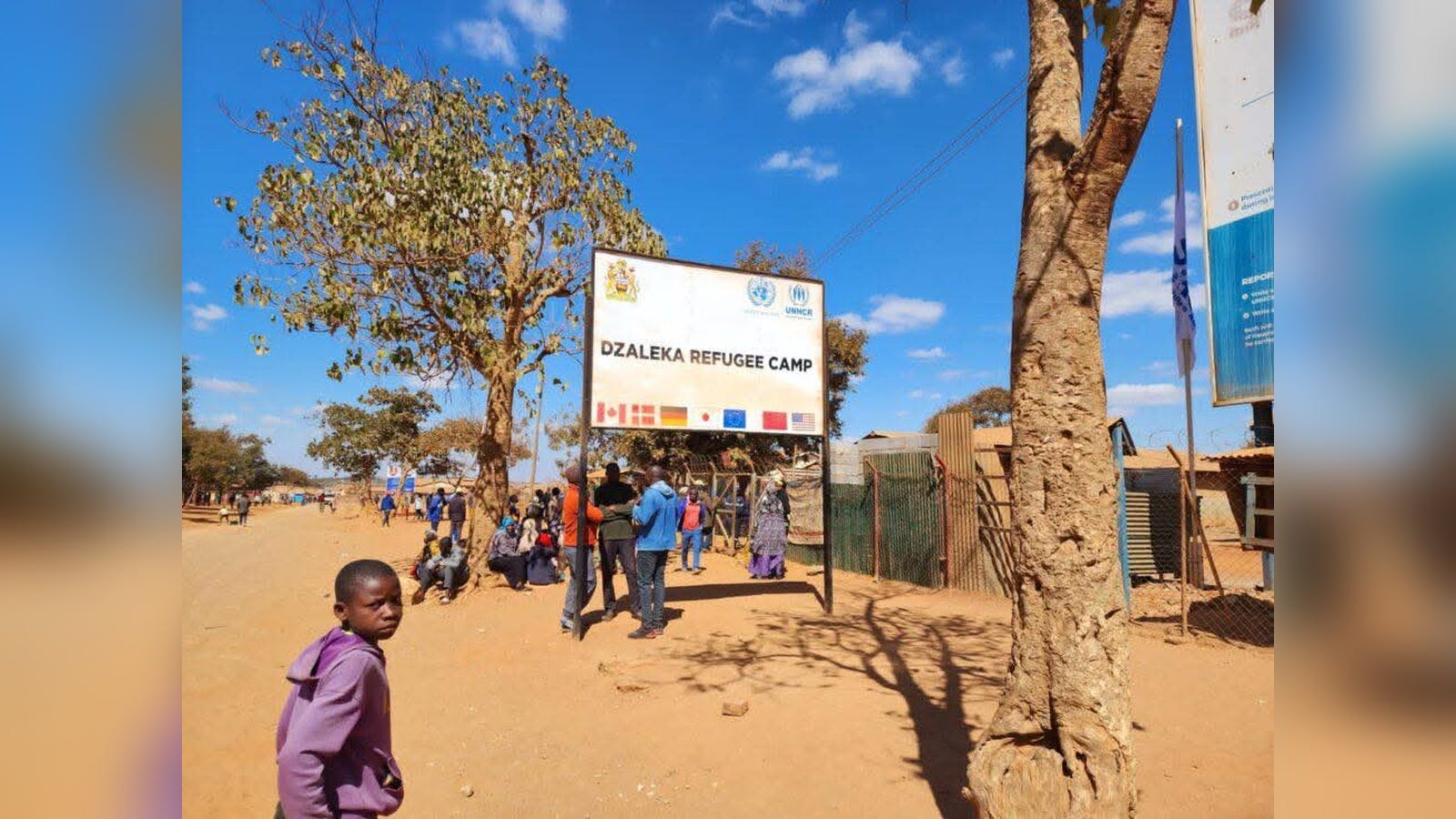

Thousands of refugees living in Malawi’s Dzaleka camp face an uncertain future after the United Nations World Food Programme (WFP) introduced new restrictions on food assistance, leaving many households without the support they have depended on for years.
The changes, which took effect in November 2026, are intended to concentrate dwindling humanitarian resources on the most vulnerable refugees. According to figures cited by refugee community leader Simon Nzigamasabo, only 35,000 people out of a camp population exceeding 65,000 will continue receiving assistance.
For families excluded from the programme, the decision raises an immediate question: how will they survive?
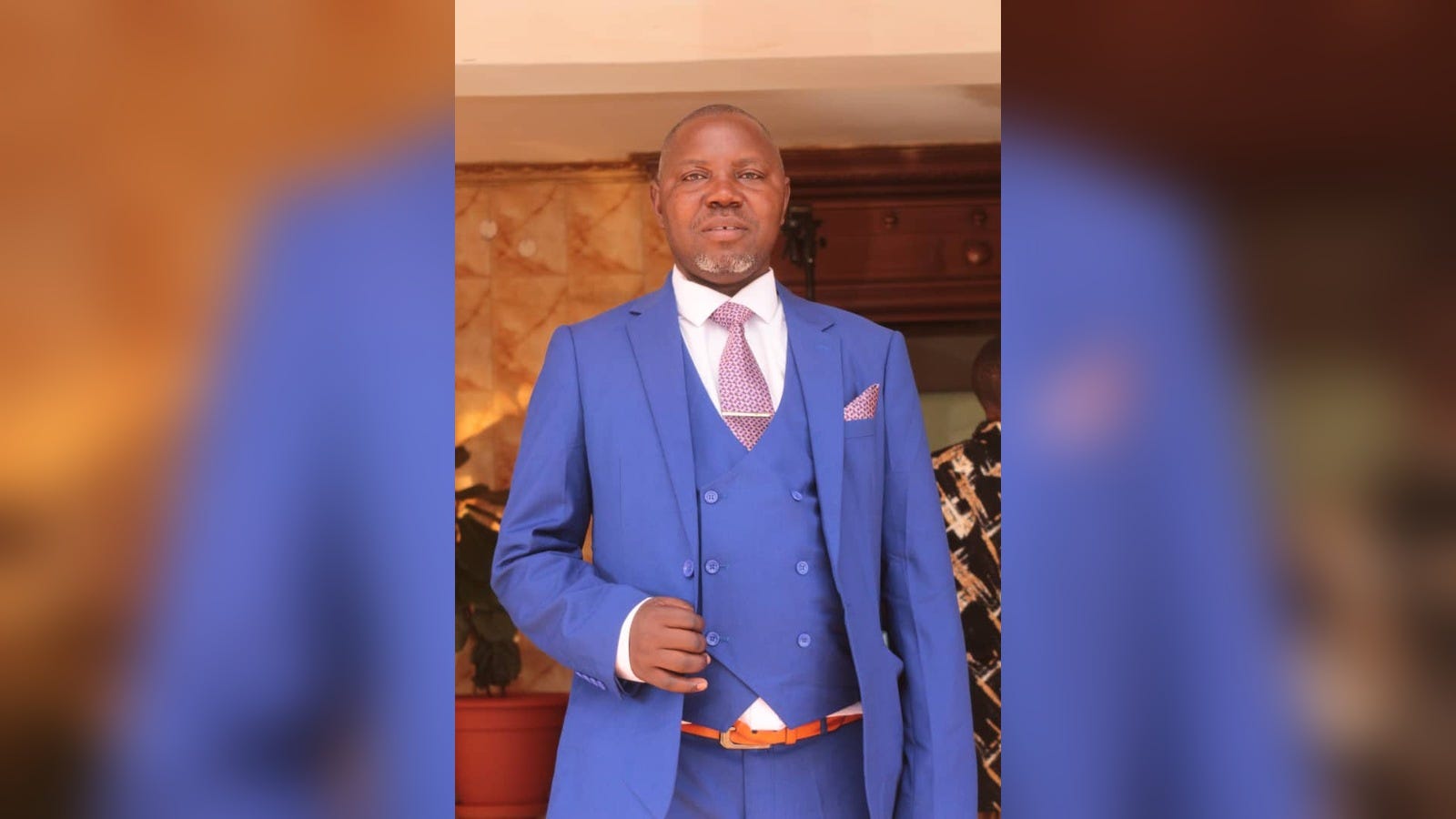
Nzigamasabo, who lives in the camp, is among those affected. In a written interview with The African Gazette, he confirmed receiving an official text message informing him that his household no longer qualified for food assistance.
“Due to a shortage of funds, WFP is compelled to prioritise households that will receive assistance,” the message stated.
It went on to explain that, after reviewing refugee registration records, his household had not met the eligibility criteria and would no longer receive assistance from November.
“This is a very difficult message for any refugee household to receive,” he said.
Nzigamasabo acknowledges that WFP faces serious financial constraints and cannot continue assisting at previous levels without adequate funding. But he fears that the new selection process could leave families with no reliable income struggling to feed themselves.
“Prioritisation must not mean that families excluded from the programme are forgotten,” he said.
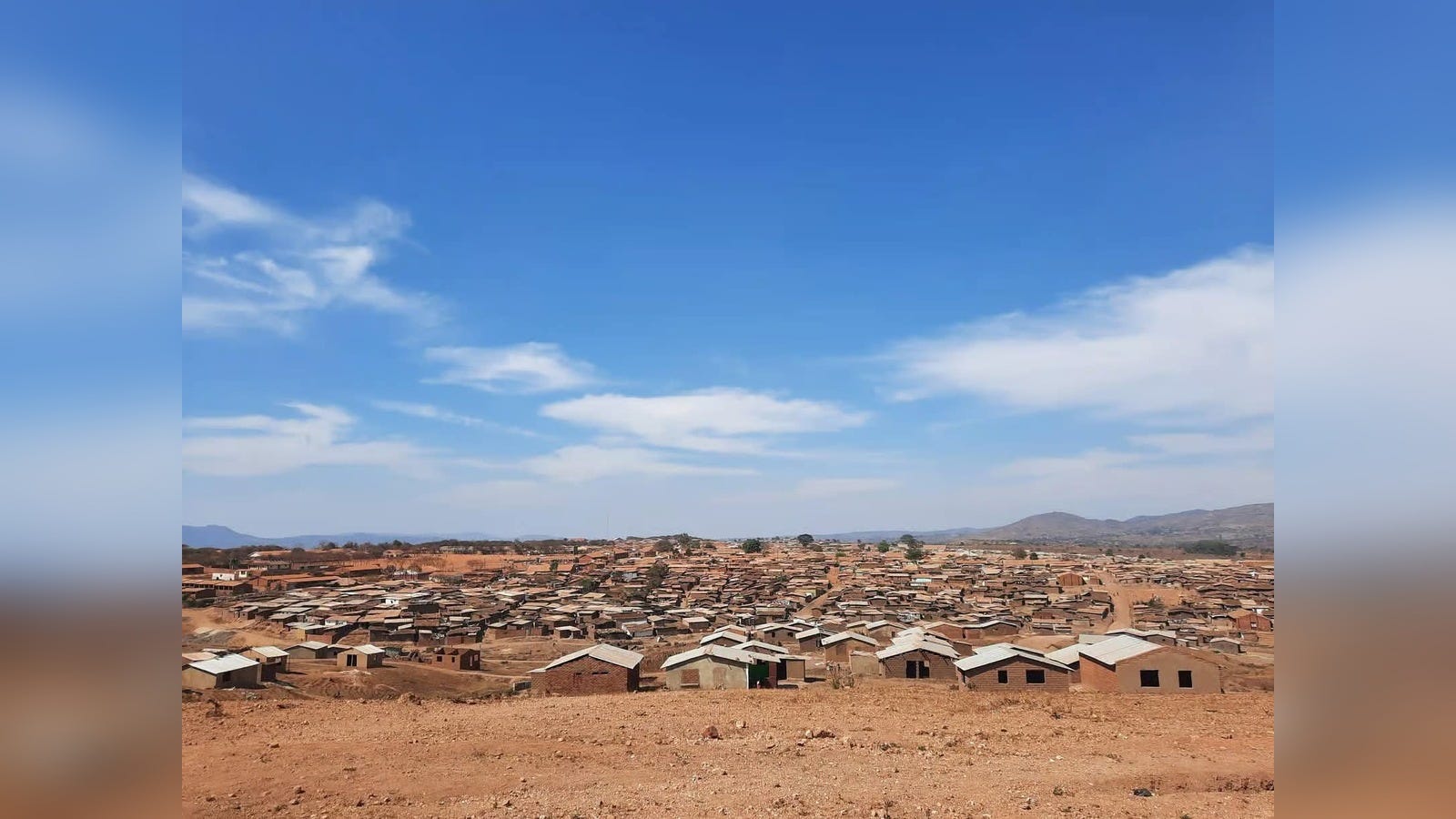
A camp struggling beyond its capacity
Dzaleka, located north of Malawi’s capital, Lilongwe, has long been home to refugees fleeing conflict and persecution in neighbouring countries, particularly Burundi, Rwanda and the Democratic Republic of Congo.
Originally designed to accommodate approximately 10,000 to 12,000 people, the camp now shelters more than 60,000 refugees and asylum seekers, according to Nzigamasabo.
The population increase has placed considerable pressure on schools, healthcare facilities, water supplies and sanitation services.
Classrooms cannot accommodate all school-age children, while access to clean water remains difficult. Families also face rising living costs and limited opportunities to grow their own food.
“The cost of living in Dzaleka has become extremely high,” Nzigamasabo said, adding that some necessities can cost more than in certain Malawian cities, despite refugees having fewer opportunities to earn an income.
The latest reductions in food assistance have therefore arrived at a time when many households were already struggling.
Under the revised arrangements described by Nzigamasabo, those who remain eligible will receive monthly cash assistance equivalent to approximately US$8 per person, covering an estimated 50 per cent of their food requirements.
That leaves recipients needing to find other ways to meet the remainder of their food needs, while excluded households face the prospect of losing WFP support altogether.
Fear spreads among refugee families
News of the changes has generated anxiety throughout the camp, Nzigamasabo said.
Parents worry about feeding their children, while elderly refugees, people with disabilities and those requiring regular medical treatment face particular difficulties.
“People are asking themselves very difficult questions: What will happen to our children? How will we pay for food? What happens when a family has nothing left?”
Even families selected to continue receiving assistance are worried about what further funding shortages could mean.
Nzigamasabo described the emotional strain of living beside neighbours who may no longer have enough to eat.
“How do you eat comfortably knowing that the family next door is going hungry?”
He warned that reduced access to food could force families to cut meals, withdraw children from school or divert money intended for education and healthcare towards basic survival.
He also fears that worsening poverty could expose vulnerable people to exploitation, child labour and other forms of abuse.
However, he cautioned against presenting these outcomes as consequences that have already occurred because of the November decision.
They are risks, he said, that humanitarian organisations and the authorities should seek to prevent before the situation deteriorates.
Refugees want the right to work
Beyond the immediate food crisis, Nzigamasabo believes Malawi’s restrictions on refugee employment and movement have contributed to the community’s prolonged dependence on international assistance.
Under the country’s encampment arrangements, refugees face significant barriers to accessing formal employment outside Dzaleka.
Some operate small businesses within the camp, including tailoring workshops, hairdressing salons, food stalls and informal trading activities. Others survive through occasional work or financial support from relatives.
But these activities rarely provide a stable income for an entire household.
Nzigamasabo argues that many refugees possess qualifications and professional experience that could benefit Malawi’s economy if they were permitted to work more freely.
Among the camp’s residents are teachers, farmers, mechanics, builders, traders and other skilled professionals.
“The problem is not that refugees do not want to work. The problem is that the opportunities and legal environment for economic independence remain restricted,” he said.
He is calling on the Malawi Government to consider reforms allowing refugees greater access to work permits, legally registered businesses, vocational training and agricultural land.
Such changes, he argues, would enable refugees to support their families while contributing to the wider economy through employment, trade and taxation.
“We are not asking the Government to abandon its responsibility to protect national interests,” he said. “We are asking for policies that allow refugees to become productive and economically independent while respecting Malawi’s laws and national development priorities.”
His argument reflects a broader concern about the sustainability of humanitarian assistance in settlements where displaced populations have lived for many years without realistic opportunities to become self-sufficient.
For Nzigamasabo, allowing refugees to earn a living is not simply an economic question. It could also reduce the pressure on humanitarian agencies struggling to maintain essential services.
Questions over how families are selected
Although Nzigamasabo accepts the need to prioritise limited resources, he is concerned about how WFP determines which households qualify for assistance.
He said the vulnerability assessment involved consultations between WFP, the UN refugee agency UNHCR, the Malawi Government and refugee representatives.
Nevertheless, he believes the process must be transparent and provide an accessible means for households to challenge decisions they consider inaccurate.
A family that appears financially stable in registration records may, in practice, have no regular income and several dependants, he explained.
In his own case, he wants to understand why his household was excluded and whether the decision can be reconsidered.
“Refugees need to understand how vulnerability is assessed, what criteria are being used, how households are selected and how someone who believes they have been wrongly excluded can appeal.”
He stressed that his concerns should not be interpreted as an accusation that humanitarian organisations have deliberately ignored refugees.
Instead, he is calling for closer consultation and continuous monitoring of families who lose assistance.
A crisis affecting several nationalities
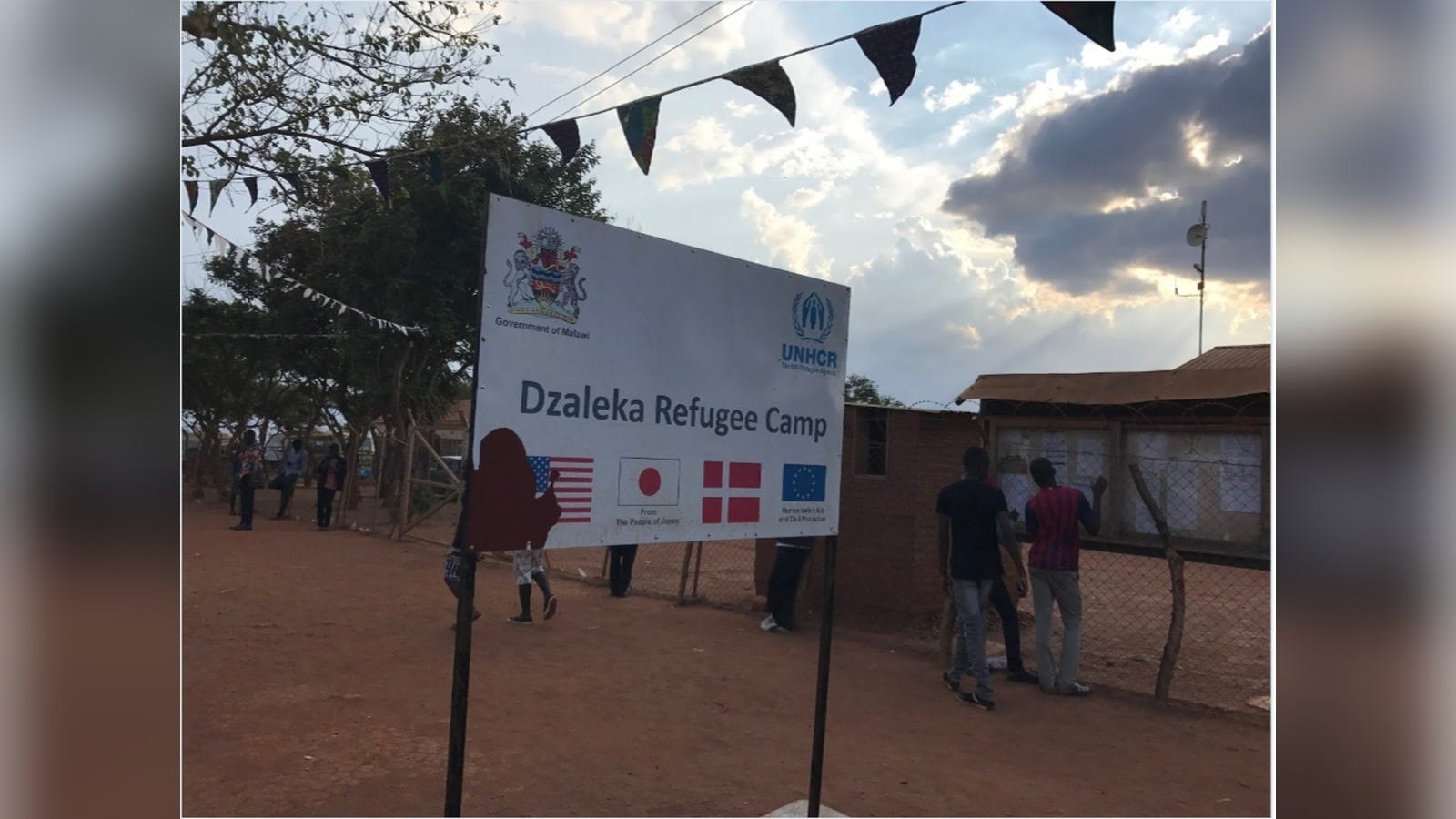
Dzaleka hosts refugees from several African countries, but Nzigamasabo insists that the food crisis should not be viewed through national or ethnic divisions.
Burundian, Rwandan and Congolese families face many of the same difficulties, regardless of their countries of origin.
“A hungry child does not experience hunger differently because their parents come from Burundi, Rwanda or Congo,” he said.
He believes assistance should be determined by the actual needs of each household rather than nationality or community affiliation.
The refugee leader also warned against associating worsening poverty with criminality or portraying displaced people as a threat to Malawi’s security.
“The overwhelming majority are ordinary people who want safety, dignity and an opportunity to rebuild their lives,” he said.
An appeal to donors and the Malawi Government
Nzigamasabo is urging international donors to provide emergency funding to prevent further deterioration in living conditions at Dzaleka.
He wants particular attention given to children, elderly people, people with disabilities and households without any realistic source of income.
He is also calling for investment in schools, healthcare, water infrastructure and sanitation facilities.
But he believes additional humanitarian funding alone will not resolve the camp’s long-standing problems.
Without reforms that allow refugees to work and support themselves, he argues, future funding shortages could produce similar emergencies.
“We should move away from a situation in which thousands of people depend almost entirely on humanitarian donations for their survival,” he said.
Nzigamasabo expressed appreciation for Malawi’s decision to provide refuge to people fleeing instability in neighbouring countries. Yet he believes protection must extend beyond physical safety.
“Malawi gave many of us a place of safety, and we appreciate that hospitality. But safety must also mean having a realistic opportunity to survive and rebuild our lives.”
For the thousands of refugees now facing the loss of food assistance, the immediate priority is finding enough to eat. For Nzigamasabo, the longer-term challenge is ensuring that refugees are not permanently dependent on aid they have little control over.
“Humanitarian assistance saves lives, but economic independence restores dignity and builds the future,” he said.
