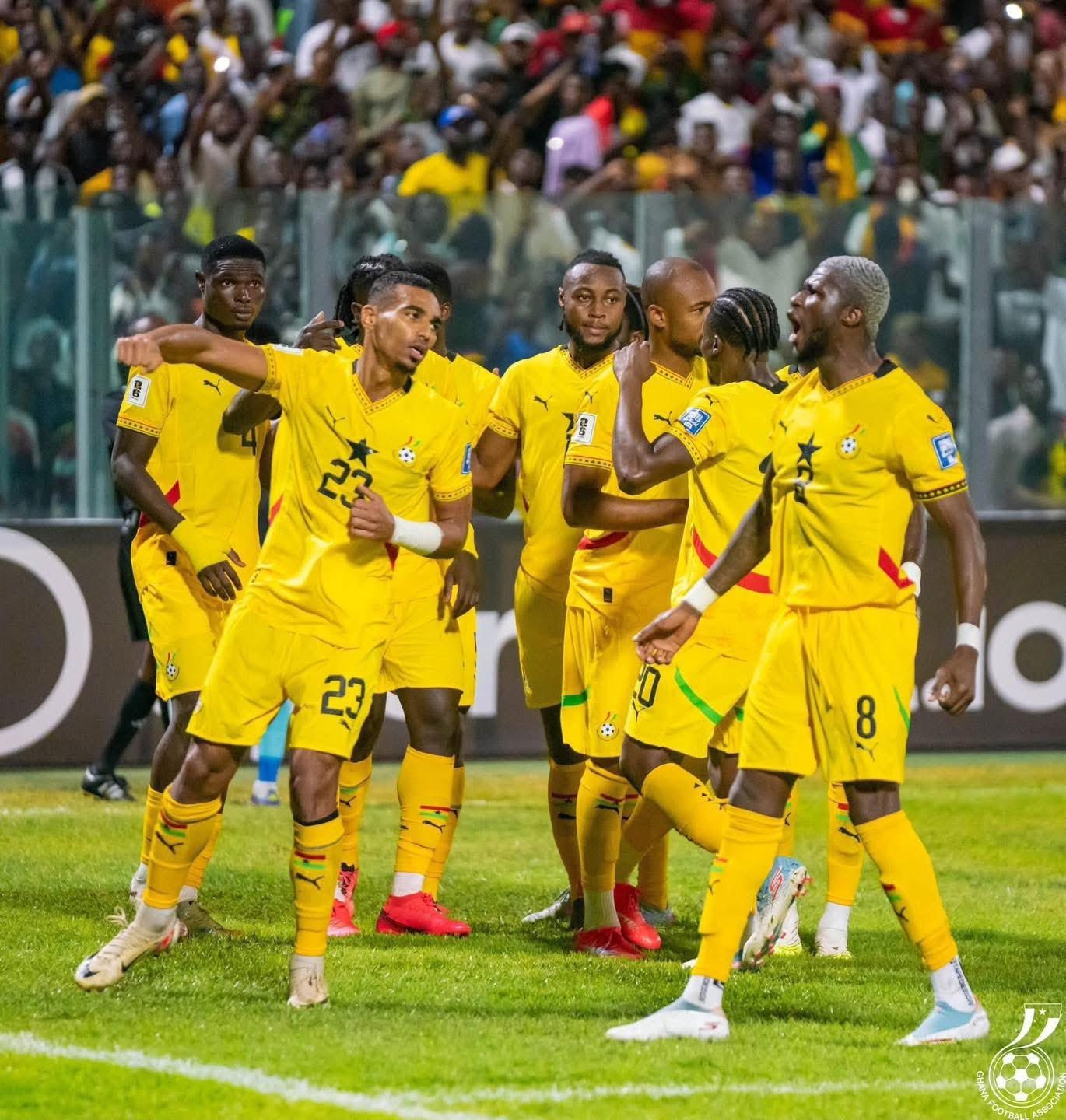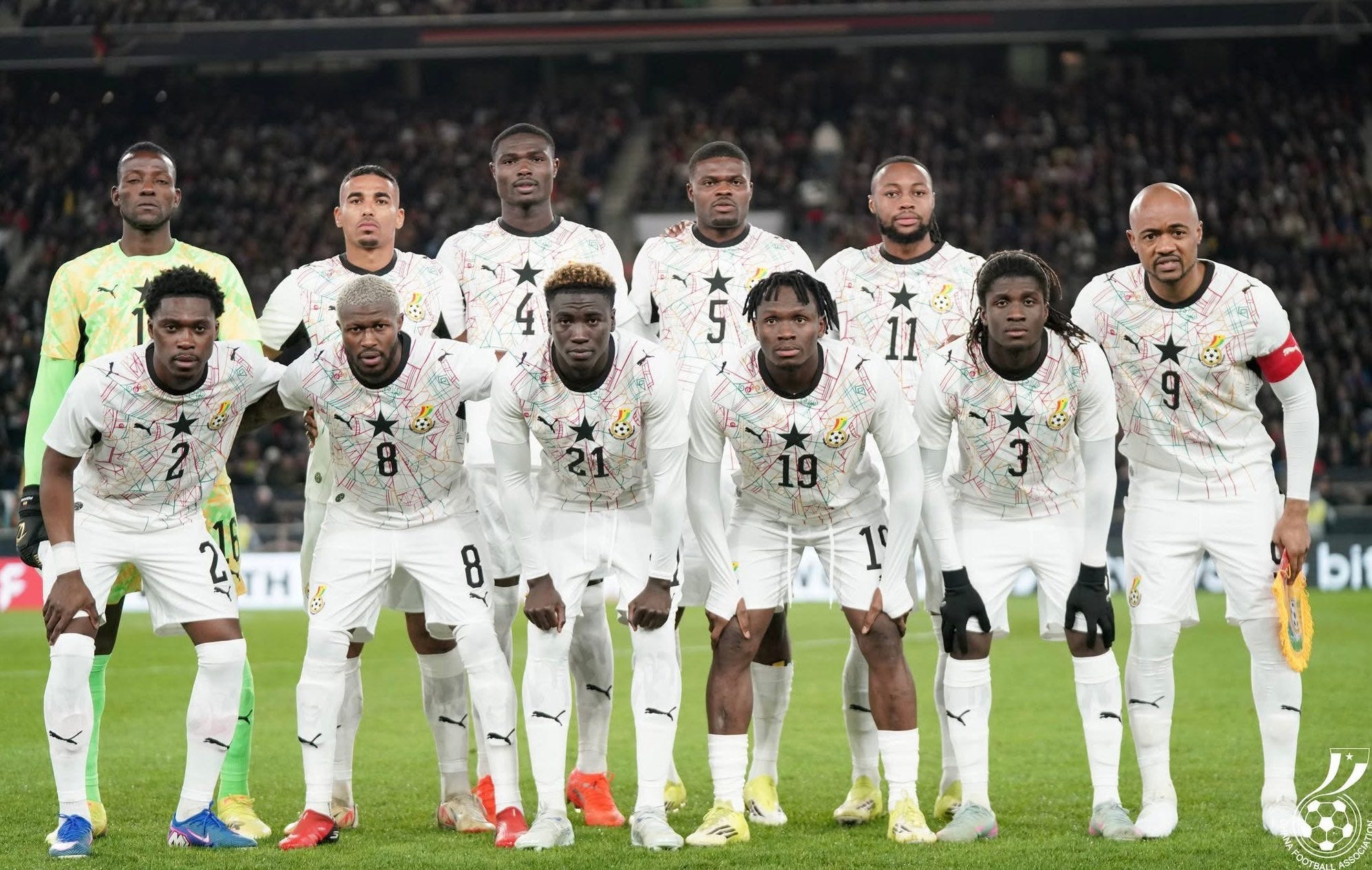

Ghana’s preparations for the 2026 FIFA World Cup have been overshadowed by the absence of key attacker Mohammed Kudus from the squad named for the upcoming training camp and friendly against Wales, raising fresh questions over the Black Stars’ attacking depth.
Head coach Carlos Queiroz has selected a 28-man squad for the camp in Cardiff, with the friendly against Wales scheduled for 2 June, as Ghana step up preparations for the tournament in North America.
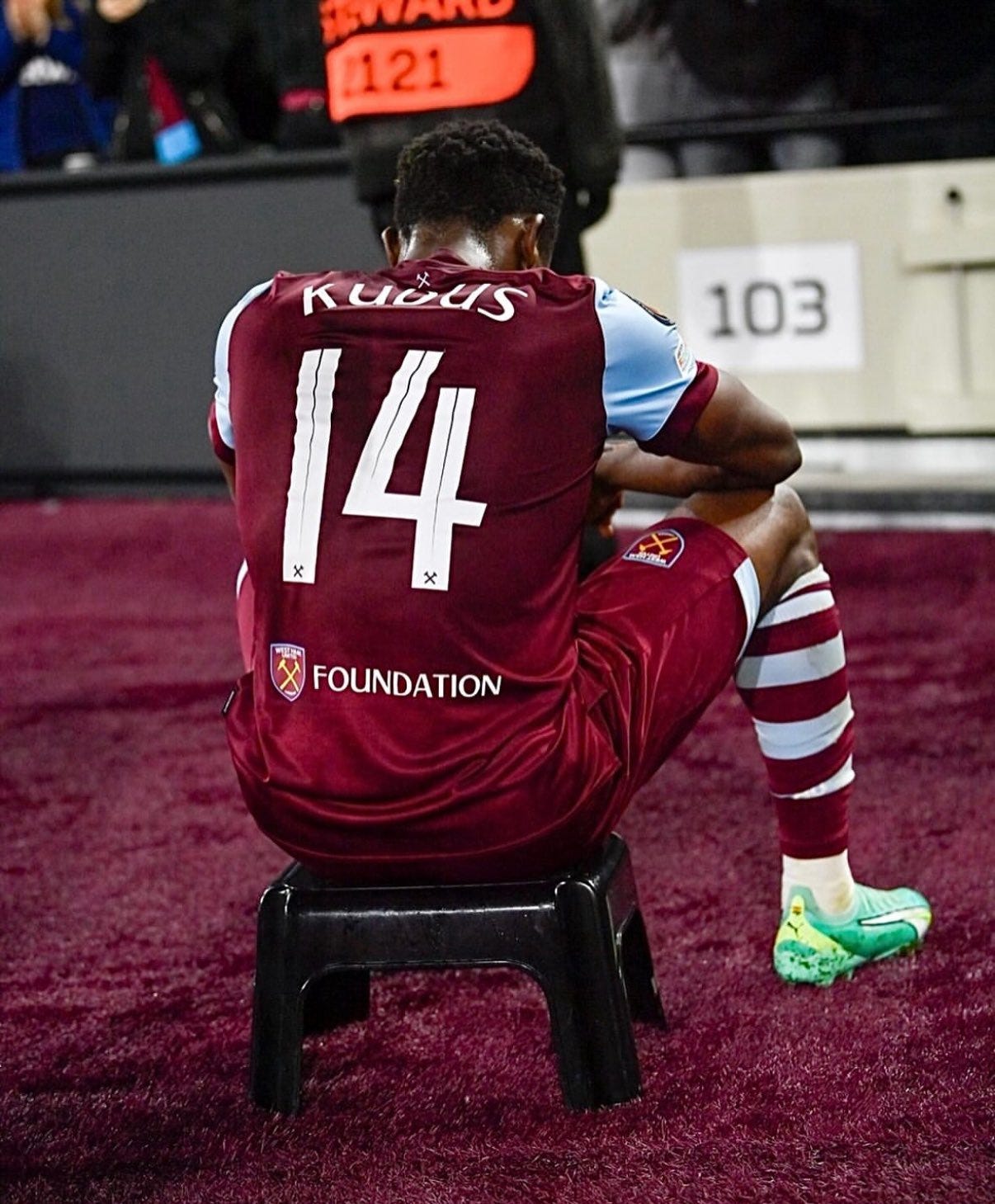
Kudus, who has not featured for his club since early January, is being managed cautiously amid ongoing fitness concerns.
While there remains optimism he could return in time for the World Cup, his omission highlights uncertainty around one of Ghana’s most influential players.

Toughest Group
Ghana will return to the World Cup stage in 2026, hosted across the United States, Canada and Mexico, continuing a recent history that has seen the Black Stars become a regular presence on football’s biggest stage since their debut in 2006.
They have been drawn in Group L alongside England, Croatia and Panama—a group widely viewed as one of the most demanding in the tournament.
Ghana begins their campaign against Panama in Toronto, before facing England in Boston and Croatia in Philadelphia, a schedule that will test both squad depth and consistency across three high-profile venues.
Queiroz has included nine forwards in his squad, but only two reached double figures in club football during the 2025–26 season, underlining long-standing concerns over Ghana’s attacking efficiency.
Antoine Semenyo remains the standout performer after a prolific season, scoring 21 goals and providing six assists, establishing himself as Ghana’s leading attacking threat.
Brandon Thomas-Asante added 13 goals in the Championship, while Abdul Fatawu Issahaku contributed 9 goals and 8 assists for Leicester City, offering creativity from wide areas.
However, returns from several established internationals, including Jordan Ayew and Inaki Williams, were comparatively modest, reinforcing a broader issue of shared responsibility rather than a consistent goalscorer.
The omission of Joseph Paintsil, who impressed in Major League Soccer earlier this season, has also drawn attention, reflecting the competitive but inconsistent nature of Ghana’s forward options.
A Crucial Friendly
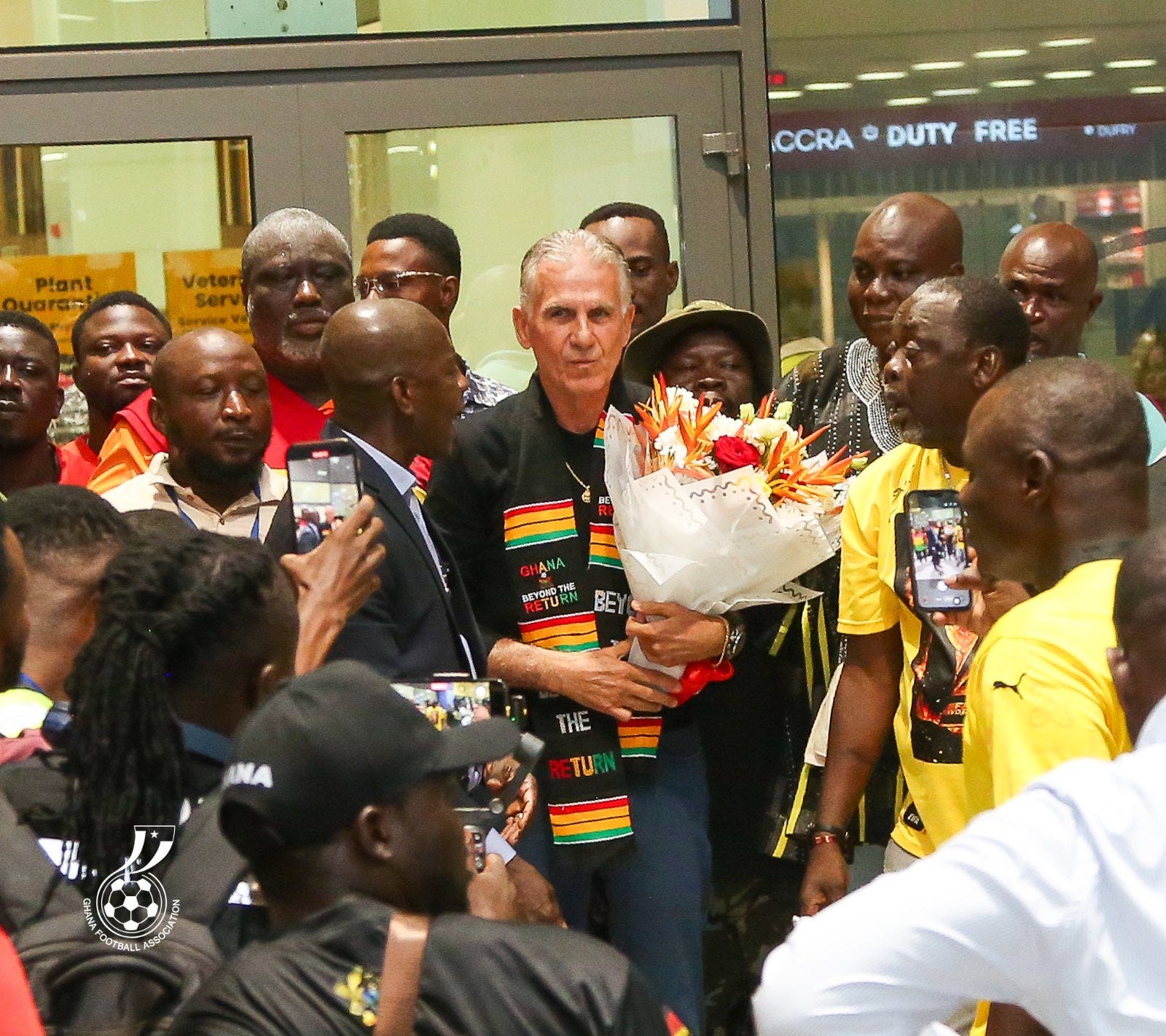

The meeting with Wales in Cardiff on 2 June is expected to provide an early indication of Ghana’s attacking structure without Kudus, and whether alternative combinations can deliver against higher-ranked opposition.
For Queiroz, the challenge extends beyond chance creation to efficiency in front of goal, particularly against elite defensive sides at the World Cup.
Meanwhile, FIFA has confirmed Bryant University in Boston as Ghana’s official team base camp for the tournament. The facility will serve as the Black Stars’ training and recovery hub throughout the group stage.
Ghana’s matches will take place in Toronto, Boston and Philadelphia, with the base location expected to ease travel demands—particularly ahead of their second group fixture against England in Boston.
As Ghana returns to the global stage, a familiar questions lingers: the team’s promising talent across the squad, but uncertainty over consistent attacking output at the highest level.
With Kudus’ fitness still unresolved and no clear focal point in attack, the Wales friendly is set to offer an early test of whether Queiroz can find the balance required to compete in a demanding Group L.