


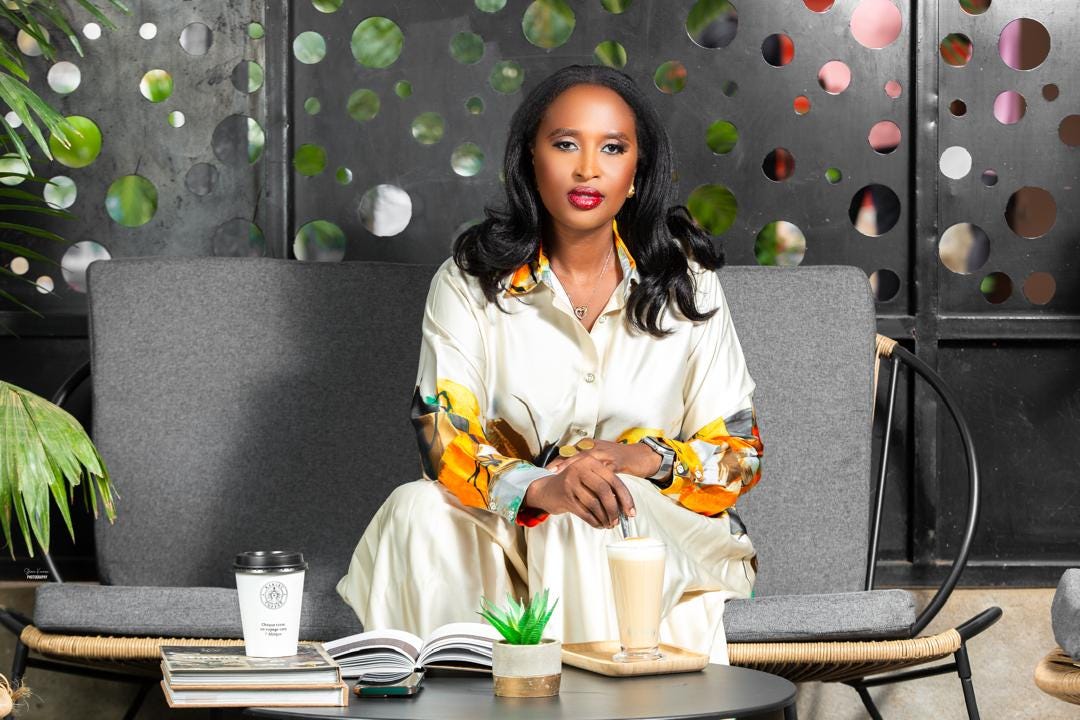

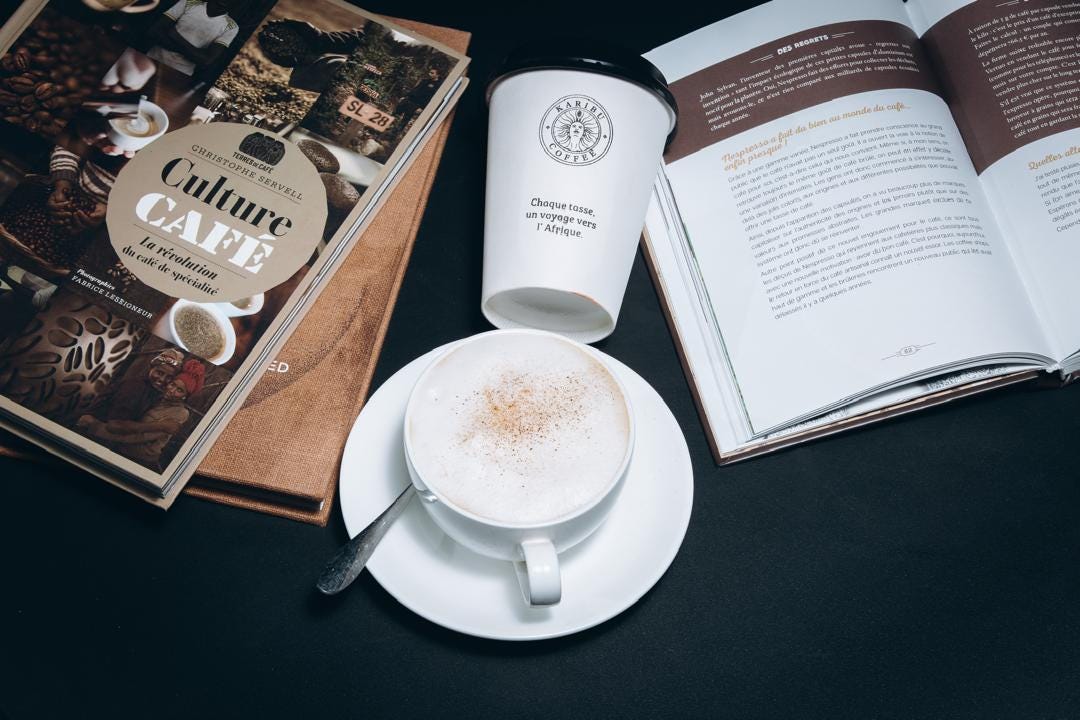
In Brussels, as a drizzle settles on the glass façades of Ixelles, Brigitte Mugiraneza steps into a café she now knows well. She orders an Ivorian robusta from her own brand, Karibu Coffee—an aromatic, full-bodied brew. Confident and composed, notebook open beside her cup, she represents a growing generation of African entrepreneurs focused on innovation and value creation.
Founder of Karibu Coffee, Mugiraneza has become an articulate advocate for strengthening the coffee industry where it starts: at origin. Through her company, launched in Côte d’Ivoire, she aims to produce high-quality roasted coffee locally and demonstrate that the continent’s coffee can compete on global shelves.
For her, coffee is more than a product. It is an example of how improving local processing can shift an entire industry.


From Rwanda’s Hills to a New Coffee Venture
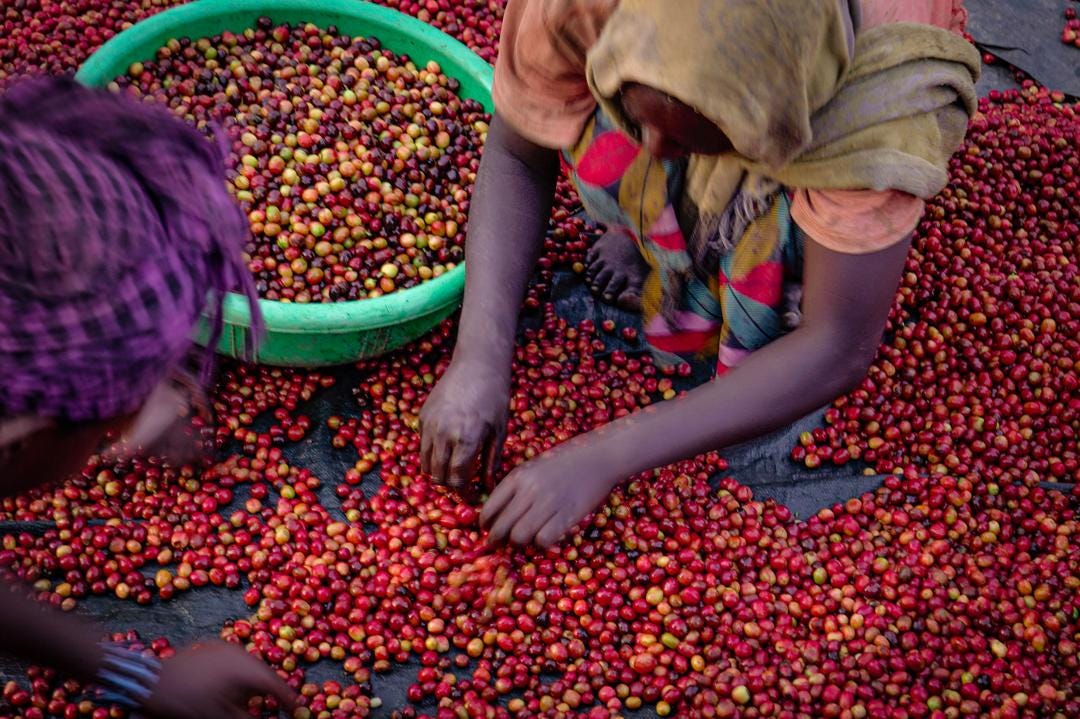
Mugiraneza’s relationship with coffee began in the hills of Rwanda, where she grew up. As a child, she joined her aunts during early-morning harvests, learning to recognise ripe cherries and to appreciate the careful work behind each crop. In her community, coffee played a significant role in daily life and contributed to funding education.
Years later, she was struck by the difference between the raw coffee exported from the region and the premium versions she found in European shops—packaged, roasted, and sold at many times the original price. The economic gap was clear.
This sparked the idea for Karibu Coffee: a brand that roasts and packages its beans locally, ensuring that more of the value stays where the coffee originates.
“Africa does not lack quality. What we lack is control over our own value chain.”

Challenging Perceptions About Quality
African coffees—whether from Rwanda, Ethiopia, Kenya or Côte d’Ivoire—are highly regarded by experts. Yet, local brands often struggle to gain the same recognition in their home markets.
Mugiraneza attributes this partly to long-standing industry habits: for decades, green beans have been exported in bulk, while roasting, marketing, and brand building have occurred abroad. As a result, imported products often appear more “premium,” even when the beans themselves were grown in Africa.
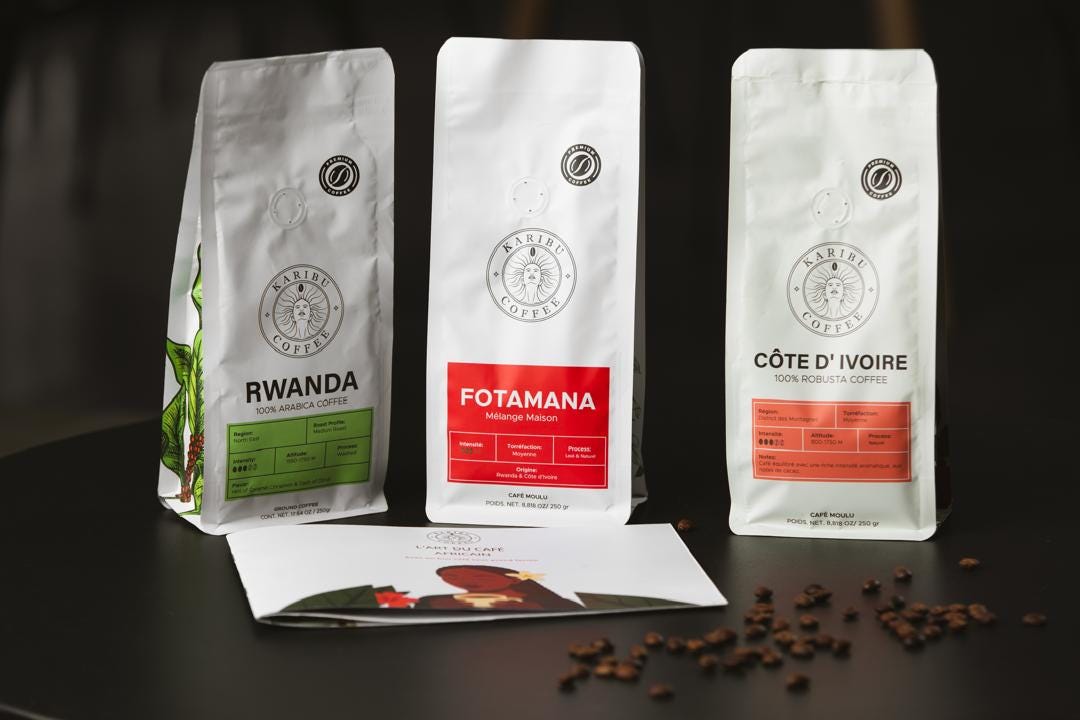
Karibu Coffee approaches this differently. The company invests in precise roasting techniques, modern packaging, and consistent quality standards. The goal is to present locally roasted coffee that meets the expectations of both domestic and international consumers.
Changing this perception, she says, is an important step in building a stronger, more competitive industry.

A Question of Value
Behind the design of a coffee bag lies an important economic reality. Today, a small fraction of the value generated by African coffee remains in producing countries. Most of the profit comes from roasting, branding, and retail activities usually performed overseas.
The example of Côte d’Ivoire is illustrative: the country exports green coffee at roughly three dollars per kilogram. Once roasted and packaged abroad, the same kilogram can sell for ten times more.
Karibu Coffee’s model aims to narrow this gap by carrying out more of the production process locally—roasting, packaging, training, and quality control. It is a simple principle: the more steps happen on the ground, the more revenue can stay in the local economy.
“Political independence without economic sovereignty remains incomplete.”

Building Skills and Creating Jobs
For Mugiraneza, local roasting represents far more than a branding exercise; it’s also a strategic investment in human capital development. Coffee roasting, sensory analysis, barista training, and quality management are highly specialized professions capable of generating sustainable, long-term employment opportunities in communities where such prospects remain scarce.
Her ambitious project to establish a modern roasting facility exemplifies this vision. If realized, the facility would create direct jobs throughout the value chain. Many of these opportunities would be accessible to young people and women’s groups that have historically shouldered crucial yet undervalued responsibilities within the coffee sector.
For her, meaningful job creation comes from expertise, training, and opportunity—not from short-term or seasonal work.


Navigating Entrepreneurship as a Woman
Mugiraneza’s entrepreneurial journey has included challenges familiar to many women in business: limited access to finance, scepticism from investors, and cultural expectations. In the traditionally male-dominated coffee industry, she often had to prove her technical expertise and leadership skills.
Rather than deter her, these challenges encouraged her to deepen her expertise. She trained extensively in roasting profiles, aromatic notes, and bean varieties—skills that now support her credibility.
Today, she hopes her experience can inspire younger women to pursue their own projects.
“Your ambition is legitimate. Do not be afraid to have a big vision from the start.”

A Vision That Extends Beyond Coffee
Karibu Coffee is ultimately more than a brand. It represents an approach: build quality at origin, develop skills locally, and let producing countries capture more of the value generated by their own resources.
Mugiraneza’s work highlights an important economic opportunity: when agricultural products are processed locally, they can create jobs, develop expertise, and strengthen entire industries.
Her Ivorian robusta, served in a Brussels café, illustrates a simple idea—high-quality coffee can be grown, roasted, packaged, and proudly presented by the same place that grows it.