


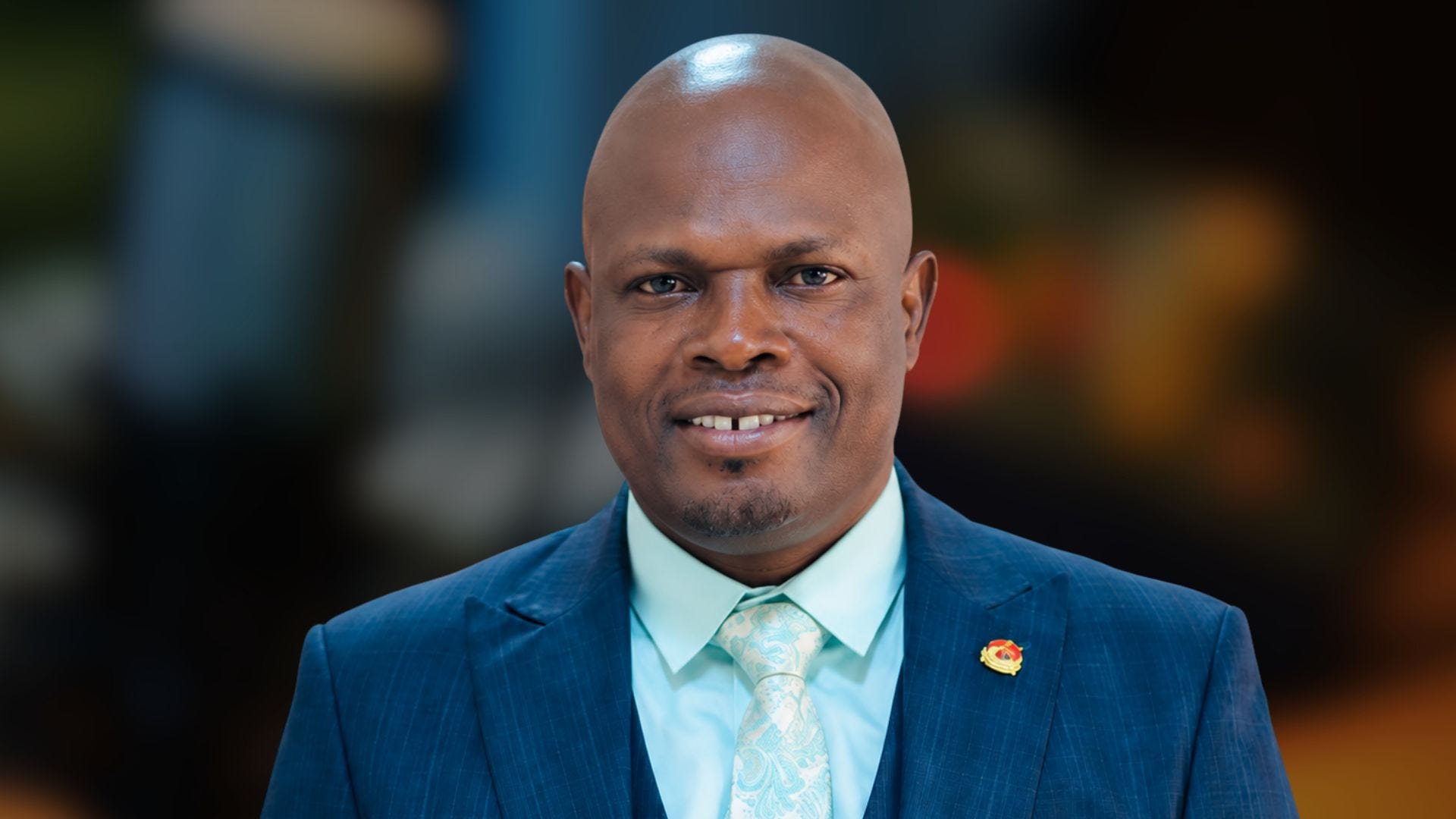

For Pastor Frank K. Teye, Christianity has no shortage of churches, prayers or people seeking miracles. What concerns him is what happens after the Sunday service is over.
Does faith change the way people live?
It is a question that has followed the Ghanaian pastor through years of preaching and counselling. He worries that the search for prosperity, miracles and supernatural intervention can sometimes crowd out the quieter work of faith: knowing Scripture, raising a family, forgiving others and living by what one professes to believe.
That concern eventually found its way into five books, all launched at the same time.
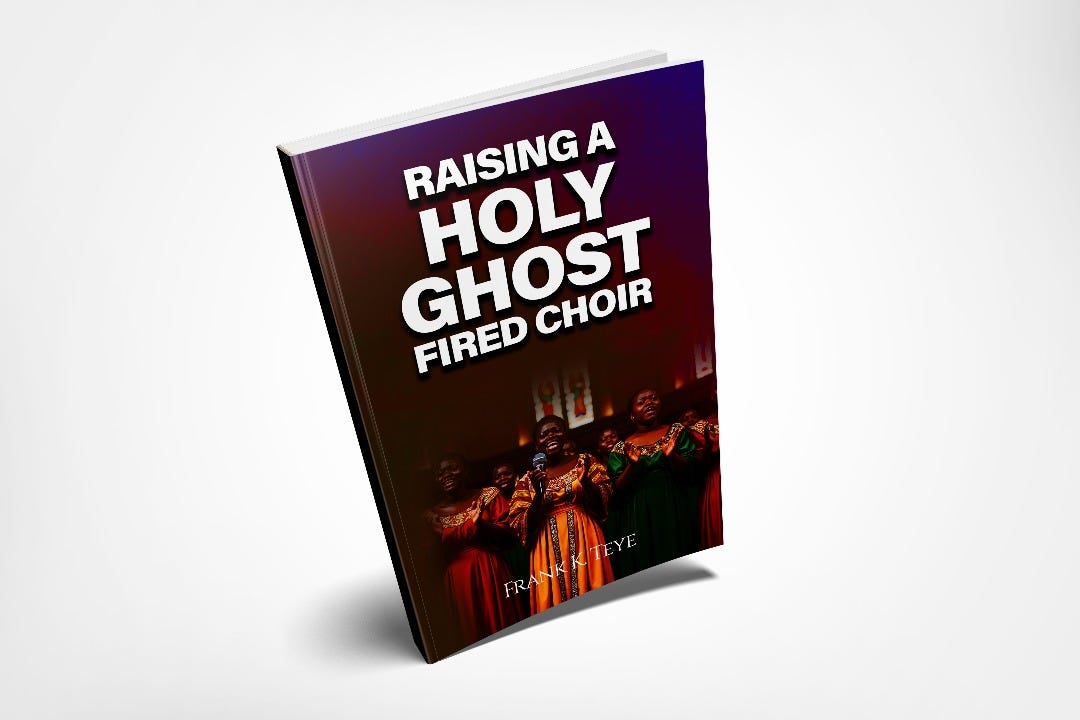
In the Law Court of God, Breaking Every Curse, Raising a Holy Ghost Fired Choir, Dreams and Their Meanings and Raising Godly Children in a Gen-Z Era may look like five very different books. They deal with prayer, spiritual warfare, worship, dreams and parenting. Teye sees them as parts of the same conversation.
“The greatest need of the church is not always another miracle,” he says. “Sometimes it is a deeper understanding of God’s Word.”
A calling dating back to 1998
Teye dates his call to ministry to 1998.
He spent years serving and preparing before becoming a full-time pastor with Winners Chapel International, also known as Living Faith Church, in June 2012. After serving in different branches, he was transferred to Aflao, in Ghana’s Volta Region, on 31 August 2022.
Much of what he later put into books came from those years on the ground: sermons, conversations with families, counselling sessions and the problems people brought to him.
Writing was not part of his original plan.
He began to think differently about it when he realised how quickly a sermon disappears. You preach it, people listen, and the service ends. A book could stay with them. It could also reach someone who had never sat in his congregation.
“The books chose me before I chose writing,” he says.
His experience in Aflao reinforced that feeling.
Christianity there, as in many parts of Africa, exists alongside older spiritual traditions and beliefs. Teye says he encountered Christians who were deeply interested in miracles and quick spiritual solutions to their problems.
He believes in miracles himself. That is not his argument.
His concern is what happens when seeking a miracle becomes more important than seeking God.
Taking prayer into the courtroom
That tension appears in In the Law Court of God, where Teye uses the courtroom as a way of talking about prayer.
In his telling, God is not only a loving Father but also a righteous Judge. Christ is the believer’s advocate, and Scripture is the basis on which the believer approaches God.
This means prayer, for Teye, cannot simply be a list of things someone wants.
He asks readers to look at their own faith, obedience, forgiveness and repentance. What is their relationship with God? What needs to change in their own lives?
The point, he says, is not to discover a formula for getting every prayer answered. It is to understand prayer differently and become more confident in one’s identity as a Christian.

Breaking curses without living in fear
Breaking Every Curse takes on a particularly sensitive subject in African Pentecostal Christianity.
Illness, financial problems, family difficulties and other misfortunes are sometimes blamed on curses or spiritual attacks. Teye does not deny the spiritual world, but he warns Christians against looking for a curse behind every setback.
Some of what holds people back, he argues, can also be found in fear, bitterness, unforgiveness, and destructive thinking and behaviour repeated from one generation to another.
Family history matters, he says, but it should not become a life sentence.
Knowing where you come from does not mean accepting that your future has already been decided.
For Teye, faith and personal responsibility have to go together. Prayer matters, but so can forgiveness, a change in behaviour and the decision to confront destructive habits.
When worship becomes performance
Then there is music.
Anyone familiar with African Pentecostal churches knows the place a choir can occupy in Sunday worship. Music can be powerful, polished and sometimes spectacular.
Teye asks what happens when the performance becomes more important than the worship.
“There is a difference between singing to entertain people and singing as an act of worship to God,” he says.
That question sits behind Raising a Holy Ghost Fired Choir.
Teye is not arguing against good musicianship. He wants choirs to rehearse and sing well. But a perfect performance, he says, is not the same thing as spiritual depth.
He sums up his approach in a phrase: “consecration before performance, character before charisma, worship before entertainment.”
In that sense, the book is not really about how to sing. It is about who is doing the singing and why.
Dreams — but not superstition
Dreams occupy a complicated place in many religious communities. They can be treated as warnings, prophecies or messages from God. They can also become a source of fear.
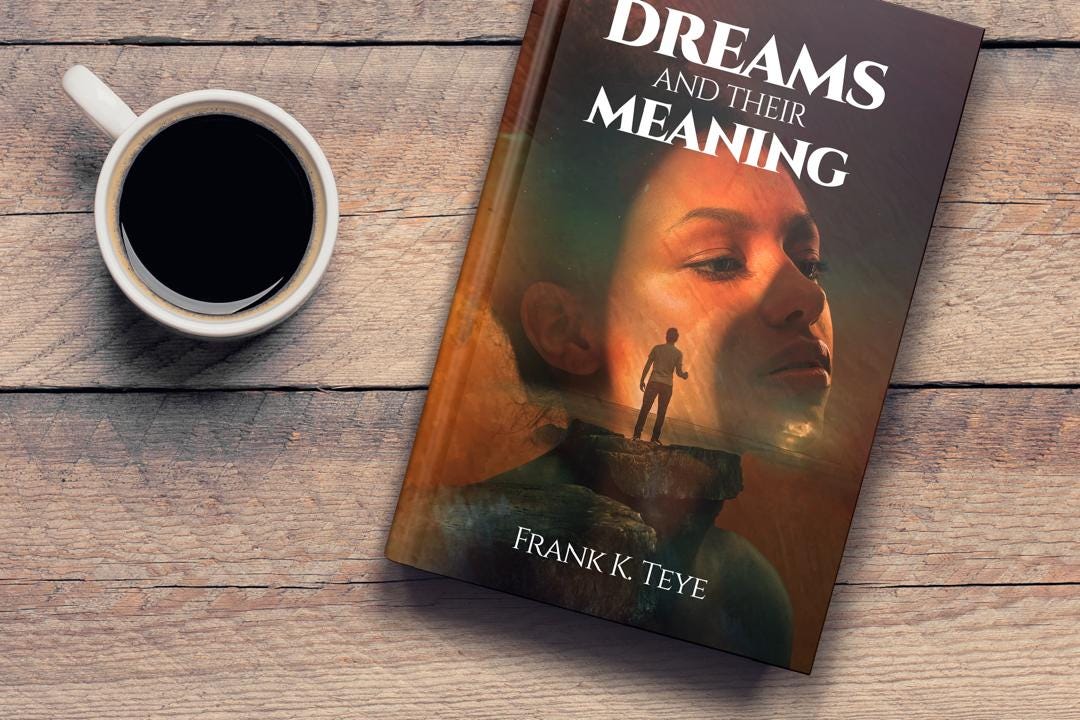
Teye enters that territory carefully in Dreams and Their Meanings.
He accepts that dreams can have spiritual significance; the Bible itself contains many examples. But that does not mean, he says, that every dream is God speaking.
Sometimes a dream may simply come from what someone has seen, feared, wanted or spent the day thinking about.
For Teye, the important thing is discernment.
He cautions against making major life decisions on the strength of a dream alone. He is equally wary of interpretations that assign a fixed spiritual meaning to every animal, colour, object or event that appears during sleep.
His advice is surprisingly simple.
Do not spend your life chasing dreams.
“The answer is not to chase supernatural experiences,” he says. “The answer is to pursue God.”

Raising children in the age of algorithms
Of the five books, Raising Godly Children in a Gen-Z Era may speak most directly to life beyond the church walls.
Teye sees parents struggling to raise children in a world they did not grow up in themselves.
A child with a smartphone can now encounter in a few minutes ideas and influences that previous generations might never have encountered at home, at school or even in their community. Social media, artificial intelligence, gaming, celebrities and peer groups all compete for their attention.
Parents, Teye argues, cannot respond simply by repeating the methods their own parents used.
One mistake is confusing provision with parenting.
A mother or father may work hard to pay for a good school, clothes, a phone and everything else a child needs but still fail to give that child enough time and attention.
“A parent can provide everything materially and still lose the heart of the child,” he says.
He also questions parenting based mainly on control.
Instead of simply declaring phones, gaming and social media to be the enemy, parents need to understand what their children are doing online and why it matters to them.
His phrase for this is “connection before correction”.
That does not mean abandoning rules. Teye believes children need boundaries. But he also believes rules work better when there is conversation and trust.
And then there is faith itself.
Christian parents, he says, should not assume their children will believe simply because they were raised in a Christian home or taken to church every Sunday.
Young people will ask questions — about God, relationships, sexuality, money, identity and success. Parents have to be willing to hear those questions.
Otherwise, Teye warns, plenty of others are waiting to provide the answers.
“Social media will disciple them. Celebrities will disciple them. Their peers will disciple them. Algorithms will disciple them. Culture will disciple them.”
Why five books?
Teye did not sit down one morning and decide to write five books at once.
The material had been accumulating for years — through sermons, counselling, prayer and the everyday problems people brought to him.
Eventually, the separate subjects began to look like different sides of the same work.
A parent worried about a child may pick up one book. A choir member may pick up another. Someone frightened by recurring dreams or convinced that a curse is destroying their life may turn to another.
The launch was supported by Pastor Ben Andrew, National Pastor of Winners Chapel International in Ghana, who attended and publicly expressed pride in Teye’s achievement.
Teye was especially encouraged by the reaction to Raising Godly Children in a Gen-Z Era. For him, what happens to the next generation is not a side issue for the church. It is one of its most pressing concerns.
Beyond Aflao
For now, Teye pastors in Aflao. But he hopes the books will travel much further.
He wants them read by parents, pastors, young people, prayer groups and church choirs across Ghana and beyond.
Behind that ambition is a larger question about Christianity in Africa.
Churches across the continent can be packed on Sundays. Prayer gatherings can draw crowds. People can spend hours worshipping and seeking God’s intervention in their lives.
For Teye, however, numbers alone do not tell the whole story.
What happens on Monday matters too.
The faith preached from the pulpit, he argues, should be visible at home, at work, in business and in the way Christians treat other people.
Perhaps that is the thread running through all five books.
Teye believes in miracles. But he also believes that a changed life can be one of them.
